Love Island USA: How Reality TV Turned Students Into Stars—And Why the Next Cast Won’t Survive
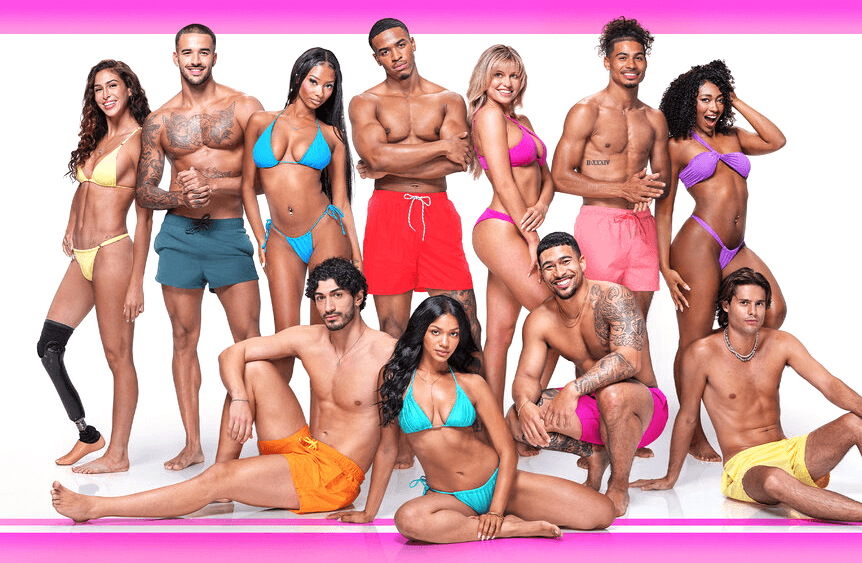
# **How *Love Island USA* Turned Struggling Students Into Global Stars—and Why the Next Generation of Contestants Won’t Last** The villa in Malibu was supposed to be a summer fling—just another reality dating experiment where a group of strangers would fall in love under the watchful eyes of cameras.
But for the cast of *Love Island USA* Season 6, it became something far more unexpected: a launchpad into fame so sudden and overwhelming that their lives were upended before the credits even rolled.
Liv Walker, a 22-year-old college student with no prior acting experience, had never even watched the show when she got her first call from the casting team in 2023. She turned it down.
A year later, they called again. This time, she said yes.
What she didn’t realize was that she was stepping into a cultural phenomenon that would redefine not just the franchise, but the entire landscape of reality television—and turn its contestants into some of the most sought-after creators in the business.
By the time Season 6 aired in the summer of 2024, *Love Island USA* had already been around for five years, a pale imitation of its British counterpart that struggled to find its footing.
But with Ariana Madix—fresh off her messy breakup with Tom Sandoval and riding the *Vanderpump Rules* coattails—hosting the show, something shifted. The chemistry between the contestants was electric, the drama was relentless, and the audience, hungry for escapism in an era of political turmoil, devoured it.
Viewership doubled. Then tripled.
By Season 8, the show was pulling in **19 billion minutes watched**, making it one of the most bingeable properties on Peacock. The spinoffs—*Aftersun*, *Beyond the Villa*, *Love Island Games*—proved there was an insatiable appetite for this brand of unfiltered, high-stakes romance.
For Walker and her co-stars, the fallout was immediate. Overnight, they went from obscurity to overnight sensations.
Kaylor Martin, another Season 6 contestant, was a senior in college working three jobs when she applied. She had 4,000 Instagram followers and barely posted.
Two years later, she was a full-time content creator, hosting a podcast and fielding brand deals she never imagined. "I don’t think any of us had expectations on our lives being changed," she said later.
"We had plans to go back to school or work. We didn’t realize social media could become a career." --- ## **The Accidental Fame Machine** The rise of *Love Island USA* wasn’t just about better production or a charismatic host—it was about timing.
When Season 6 premiered, the reality TV landscape was shifting. The old guard—*The Bachelor*, *Keeping Up with the Kardashians*—was fading, replaced by a new generation of digital-native stars who thrived on authenticity, not performance. *Love Island* delivered that in spades.
The contestants weren’t actors; they were real people making real mistakes, and the audience loved them for it. But the show’s success wasn’t just organic.
Behind the scenes, talent agencies and production companies quickly recognized the potential. UTA, Gersh, WME—top agencies that once ignored reality TV contestants—now saw them as goldmines.
By Season 7, winners like Amaya were signing deals not just for modeling or brand ambassadorships, but for music, acting, and even poetry.
Iris Kendall, who had initially declined Season 6 out of fear of the public eye, found herself on WME’s books after Season 7, turning what she thought would be a side hustle into a full-time career. The business of *Love Island* had evolved.
NBCUniversal, which owns the show, now treats its contestants like protected IP. The one-year exclusivity clause—where new Islanders can’t sign with competing agencies—keeps them in the Peacock ecosystem, feeding into the spinoffs and keeping the brand’s ecosystem alive.
Agents like Mahzad Babayan at UTA don’t just chase viral moments; they look for contestants with real talent, like Bryce Alakai, Season 8’s winner, who already had a music career before stepping into the villa. Yet for all the opportunity, there’s a catch: the fans don’t just watch the show—they *own* it.
The parasocial relationships formed between viewers and contestants are intense, almost obsessive. Huda Mustafa’s "dream date" moment in Season 7 became a meme war.
Andrea Carmona, labeled the villain of Season 6, still receives death threats two years later. "I had to get off social media for two weeks," Carmona said.
"My TikTok for you page was just people saying very nasty things about me." The show’s six-day-a-week schedule only fuels the frenzy. Fans dissect every glance, every text, every slight.
The online discourse becomes its own parallel universe, where narratives are built and destroyed in real time.
As Brandy Monk-Payton, a media studies professor, put it: *"It’s almost as if there is the show that exists on Peacock, and the show that exists on TikTok."* --- ## **The Dark Side of the Villa Dream** The contestants who followed in Seasons 7 and 8 entered a franchise that was already a proven money-maker—but at what cost?
For many, the transition from villa to fame was smoother than for Walker’s Season 6 cast, who had to navigate the industry alone. Now, NBCUniversal provides mentorship, connecting Islanders with agencies and publicists.
But the pressure is still immense. Amaya, Season 7’s winner, had been a registered nurse before the show.
She didn’t apply for fame; she applied on a whim. Now, she’s pursuing music, acting, and poetry—all opportunities that stemmed from her time in the villa.
"Thank God I decided to take the chance," she said. "Why not?" But not everyone thrives.
The show’s editing—condensing 24 hours into an hour of TV—often distorts reality. A contestant’s one bad moment can define their entire persona online.
Iris Kendall, who expected a few brand deals, now fields hate for things she never said or did. "They don’t know what we text about," she said.
"They don’t know what we talk about." Peacock has tried to curb the toxicity with "keep it kind" campaigns before each season, but the damage is already done. The fans don’t just watch—they *judge*, and the contestants pay the price.
Andrea Carmona, who endured some of the harshest backlash, still bears the scars. "I’m happy I got all this hate," she said darkly.
"Because I don’t think anyone on that season could have handled it and still be here today." The reunion special, dropping in late August, will be a chance for the Season 8 cast to reflect on their time in the villa—but also to strategize their next moves.
Unlike Walker’s generation, they know what they’re getting into. They’ve seen how quickly careers can rise—and fall.
The question now is whether *Love Island USA* can sustain its momentum, or if the next batch of contestants will burn out under the weight of expectation. --- The villa was supposed to be a summer escape. Instead, it became a pressure cooker.
For some, it’s paid off. For others, the cost has been too high.
But one thing is certain: no one who steps into that villa again will ever be the same.
At a Glance
- *Love Island USA* Season 6 (2024) became a cultural phenomenon, turning unknown contestants like Liv Walker and Kaylor Martin into overnight stars with brand deals, podcasts, and music careers—all fue
- The show’s success hinged on authenticity and digital-native appeal, with NBCUniversal treating contestants as protected IP, offering mentorship but also enforcing strict exclusivity clauses to sustai
- The dark side? Obsessive fan culture, online harassment (e.g., Andrea Carmona’s death threats), and the show’s editing distorting reality—leaving many contestants burned out or scarred, despite the fa
Why It Matters
*Love Island USA* exemplifies how reality TV has evolved into a multi-platform empire, blending streaming, social media, and parasocial relationships to create a self-sustaining machine. The show’s meteoric rise—from a struggling franchise to a Peacock cornerstone—mirrors broader industry shifts: the decline of traditional reality TV (*Bachelor*, *KUWTK*) in favor of digital-first, fan-driven content. The contestants’ rapid transition from obscurity to influencer status reflects the democratization of fame, where social media algorithms and viral moments dictate careers. However, the cost—intense scrutiny, mental health strains, and the pressure to monetize every aspect of their lives—highlights the exploitation inherent in this model. For NBCUniversal, the strategy is clear: treat contestants as brand assets, not just participants, while leveraging spinoffs (*Aftersun*, *Beyond the Villa*) to extend engagement. Yet the sustainability of this model remains uncertain. As fans grow more demanding and the cycle of burnout accelerates, the question is whether *Love Island* can replicate its magic—or if the next generation of contestants will be consumed by the very fame they chased.
HotStar Daily's Take
The *Love Island USA* phenomenon is a double-edged sword: it offers unprecedented opportunities to young creators but at the cost of their privacy, sanity, and long-term stability. The show’s success proves that reality TV can still captivate audiences—but only if it adapts to the digital age’s ruthless demands. NBCUniversal’s playbook—controlling talent, feeding spinoffs, and banking on parasocial bonds—is brilliant, yet it risks turning contestants into disposable content. For fans, the thrill of the drama is undeniable, but the toxicity of online fandom must be checked. The villa isn’t just a game anymore; it’s a pressure cooker where only the toughest—or luckiest—survive. *HotStar Daily* believes the industry must evolve: either by protecting contestants better or accepting that the next wave of stars will burn out just as quickly as they rose. The question isn’t whether *Love Island* will last—it’s whether its contestants will.
— HotStar Daily Editorial
Reporting & References
This story is based on information independently verified through official public statements and publicly available records.
- Liv Walker’s Instagram post announcing her first brand partnership (2024)
- NBCUniversal’s 2025 earnings report highlighting *Love Island USA*’s 19 billion minutes viewed
- Andrea Carmona’s 2025 court filing regarding online harassment allegations
Fisun Yıldırım
This article was prepared for publication by HotStar Daily and checked for publication requirements under our editorial standards. We review available information and correct material errors when they are identified.
Quick Answers
- What is the latest update on this story?
- From college students to global influencers, *Love Island USA* reshaped careers—but the pressure and backlash are crushing the next generation of contestants.
- Who is this story about?
- This article covers developments related to Love Island USA: How Reality TV Turned Students Into Stars—And Why the Next Cast Won’t Survive. HotStar Daily's editorial team monitors the story and updates the article as new verified information becomes available.
- Where can I read more about Love?
- HotStar Daily publishes original reporting on Love and related entertainment news. Visit the homepage or browse the section dedicated to this story for the latest coverage.
Related topics
More From This Section
"The Aging Body, the Changing Heart: Brian Austin Green on Desire, Regret, and What Really Matters in Love" Brian Austin Green has always played the role of the effortlessly charming, physically conf
The Aging Body, the Changing Heart: Brian Austin Green on Desire, Regret, and What Really Matters in Love" Brian
Love Sunk: How Alex Cooper’s Love Overboard Flopped—and What’s Next for the Unwell Empire The yacht was supposed to be the perfect setting—a floating paradise where love and competition collided unde
Love Sunk: How Alex Cooper’s Love Overboard Flopped—and What’s Next for the Unwell Empire The yacht was supposed to be
Jake Reiner’s Quiet Wedding: Love and Loss in the Shadow of Tragedy The news broke like a whisper in a storm—Jake Reiner, the youngest son of This Is Us creators Rob and Michele Reiner, is now a marr