Paramount-Warner Bros Merger On Hold as States Dig In Heels Amid Competition Concerns
📣 Share this story with your friends
One-click share to WhatsApp, X, Facebook or Reddit — every share brings a new reader.
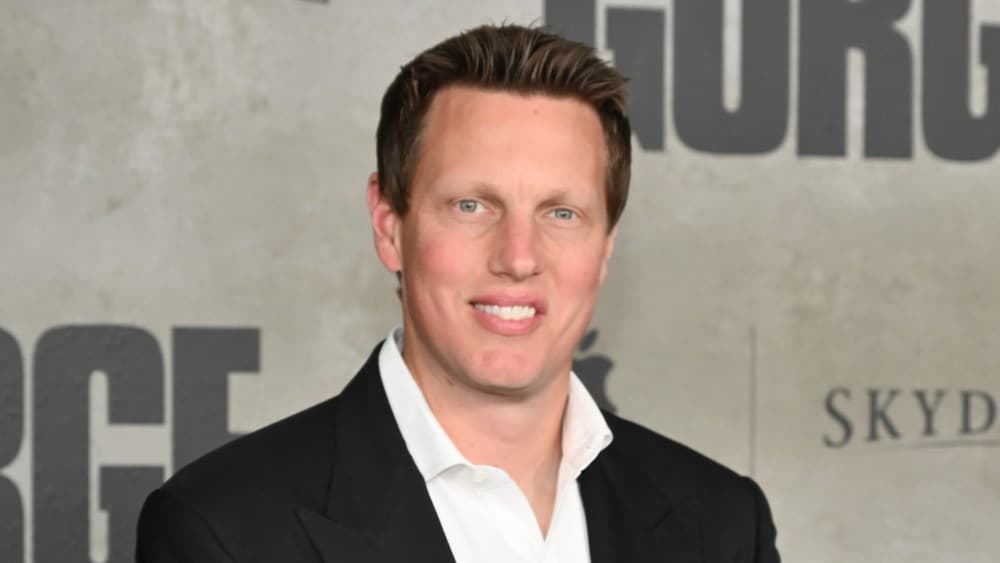
**Paramount-Warner Bros Merger Collides With Legal Battles, Creative Communities, and a $7 Million Daily Ticking Clock** The Hollywood skyline has always been a symbol of ambition, collaboration, and—lately—unexpected roadblocks.
But as sets over the iconic Paramount Pictures lot in Los Angeles, the future of one of the entertainment industry’s most anticipated mergers hangs in the balance.
What was once a deal celebrated as a powerhouse combination of storytelling, distribution, and global reach now faces a legal and political storm led by 12 state attorneys general, with California at the forefront. The merger between Paramount Global and Warner Bros.
Discovery—once seen as an unstoppable force—has hit a snag, and the consequences could ripple through Hollywood’s creative economy, from studio lots to streaming algorithms, from writers’ rooms to theater marquees. ### **A Deal Built on Global Approval, Now Under Siege at Home** Just months ago, the merger was a done deal—or so it seemed.
Regulators in 68 countries, including the European Union and the UK, had given their blessing, praising the combination as a way to strengthen competition against the dominance of Disney and Netflix. But in the U.S., a different narrative has emerged.
California, joined by 11 other states, filed a lawsuit in federal court in Oakland last July, arguing that the merger would stifle competition in basic cable, theatrical releases, and blockbuster film production.
The Writers Guild of America (WGA) has thrown its weight behind the states, warning that fewer buyers for scripts could threaten the livelihoods of thousands of writers already reeling from years of industry upheaval.
The legal battle took a dramatic turn in August when Judge Araceli Martinez-Olguin granted a temporary restraining order, freezing the merger for 28 days. Paramount agreed to the pause, hoping for a swift resolution—but the clock has only ticked louder.
Now, with the trial set for March 2, 2027, the stakes couldn’t be higher. The states, led by California Attorney General Rob Bonta, have made it clear: they’re not interested in half-measures.
"Behavioral remedies don’t work," Bonta has repeatedly stated, referencing past cases where companies promised to change practices without structural changes.
"We’re focused on winning at trial." ### **The $7 Million Daily Penalty: A Financial Time Bomb** For Warner Bros. investors, the delay isn’t just a legal hurdle—it’s a financial hemorrhage.
Starting September 30, Paramount must begin paying a **$7 million-a-day "ticking fee"** to Warner Bros. shareholders, a penalty designed to pressure both sides into a settlement.
By the time the trial begins, that fee could have cost the company **hundreds of millions**, money that could have gone toward new productions, talent acquisitions, or even the very films and shows the merger was supposed to bolster.
Paramount CEO **David Ellison**, whose family’s Ellison Media Company has deep ties to both entertainment and politics, has been pushing for a negotiated solution.
In a recent statement, he framed the trial path as "inflicting harm without benefit," arguing that a settlement would better serve workers, consumers, and the creative communities in all 12 states. But the states aren’t budging.
Bonta’s office has made it clear: they want **structural changes**, not just promises. ### **The Threat of a Hollywood Exodus** The tension has reached a breaking point.
In a veiled warning, Paramount has hinted that if no resolution is reached by **October 1**, the company may begin **moving operations out of California**. The threat isn’t just about taxes or regulations—it’s about leverage.
Hollywood has seen this before. When Disney considered leaving California over tax disputes in 2018, lawmakers scrambled to offer incentives.
Now, with Paramount’s massive infrastructure—including its historic studio lot, television production facilities, and even its iconic theater chain—on the line, the state faces a high-stakes gamble.
Ellison, a man who has navigated both the cutthroat world of media and the political landscape of Washington, has framed the merger as a way to **preserve jobs and creativity** in an industry under siege by streaming wars and corporate consolidation.
But the states see it differently: as another example of **monopolistic behavior** that could leave independent studios and creators in the dust. ### **Industry Impact: What’s at Stake for Hollywood’s Future** The merger’s fate isn’t just about balance sheets—it’s about the **very DNA of Hollywood storytelling**.
Warner Bros. brings the **DC Universe, HBO’s prestige dramas, and a legacy of cinematic blockbusters**, while Paramount offers **CBS’s news and entertainment empire, Nickelodeon’s family-friendly dominance, and a deep catalog of classic films**.
Combined, they could have been a **counterweight to Disney’s vertical integration**, offering more diverse content, stronger competition in streaming, and a broader range of creative voices.
But if the merger collapses, the fallout could be severe: - **Fewer Buyers for Writers’ Work**: The WGA has already warned that fewer major studios mean **less demand for scripts**, potentially prolonging the industry’s talent shortages. - **Theatrical Releases Under Threat**: With Disney and Universal already dominating box office slots, a weakened Warner Bros.-Paramount could struggle to secure **theatrical distribution deals**, pushing more films straight to streaming. - **Streaming Wars Intensify**: Without the merger, **Max (formerly HBO Max) and Paramount+ would remain separate**, meaning less content to compete with Netflix, Disney+, and Amazon Prime.
Fans of *Game of Thrones*, *The Batman*, and *Yellowstone* might see **fewer high-budget releases** if studios play it safe. - **Job Cuts and Studio Shifts**: If Paramount follows through on its threat to relocate, **thousands of jobs**—from camera operators to catering staff—could be at risk, particularly in Southern California, where the industry is a major economic driver. ### **Fan and Industry Reactions: A Divided Hollywood** Social media has become a battleground for this debate.
On one side, **creators and independent filmmakers** fear another corporate consolidation that could **strangle creativity**. Hashtags like **#SaveHollywoodCompetition** and **#StopTheMerger** have trended, with many arguing that **fewer studios mean fewer chances for bold, original stories**.
On the other side, **some industry insiders**—particularly those who’ve worked under both Warner Bros. and Paramount—see the merger as a **necessary evolution**. "Two big players merging isn’t the end of the world," one producer told industry insiders.
"The real issue is whether this creates a monopoly that chokes out the little guys." The **Writers Guild** has been particularly vocal, with President **Ian C.
Bogost** stating that the merger **"threatens the very foundation of our industry."** Writers, already fighting for better pay and working conditions, see fewer buyers as a **direct threat to their livelihoods**. Meanwhile, **theaters are watching nervously**.
With box office revenues still recovering from the pandemic, exhibitors don’t need another reason for studios to **prioritize streaming over theatrical releases**.
If Warner Bros. and Paramount remain separate, **fewer tentpole films** could mean **smaller opening weekends**, hurting an industry that’s still finding its footing. ### **Historical Parallels: When Hollywood’s Giants Clashed Before** This isn’t the first time antitrust concerns have derailed a major Hollywood merger.
In **2000, the proposed merger between AOL and Time Warner** faced similar scrutiny, ultimately collapsing under the weight of regulatory pressure.
More recently, **AT&T’s failed attempt to acquire Time Warner in 2018** (later rebranded as WarnerMedia) was blocked by the Department of Justice, with regulators warning of **monopolistic practices**.
But the **Paramount-Warner Bros. case** is different in one key way: **it’s not just about market share—it’s about cultural impact**. Warner Bros. owns **DC Comics, Harry Potter, and The Matrix**, while Paramount holds **Star Trek, Mission: Impossible, and SpongeBob SquarePants**.
Together, they could have been a **force for diverse storytelling**, but if the merger fails, **fans of these franchises may see fewer new projects**. ### **The Human Cost: Workers in the Crossfire** Behind the legal jargon and corporate statements are **real people**—the grips setting up a *John Wick* fight scene, the animators bringing *Rick and Morty* to life, the editors piecing together a *Succession* episode.
The uncertainty has created **anxiety in the ranks**. "We’re already in a writers’ strike recovery mode," said one script consultant.
"Now this? It’s like kicking a dog that’s already been beaten." Union leaders, including those at **SAG-AFTRA and the DGA**, have been tight-lipped but are reportedly **monitoring the situation closely**.
If the merger falls apart, **layoffs could follow**, particularly in back-office roles where consolidation often leads to redundancies. ### **What’s Next? A March Trial and a High-Stakes Gamble** With the trial set for **March 2, 2027**, both sides are digging in.
The states are **deposing executives**, gathering evidence, and preparing for a **lengthy legal battle**. Meanwhile, Paramount’s lawyers are arguing that the delay is **costing jobs and stifling innovation**.
Ellison, ever the strategist, has hinted at **concessions**—but none have been made public. Will Paramount agree to **sell off certain assets**?
Will Warner Bros. **spin off Max** to maintain competition? Or will the states force a **full breakup** of the deal?
One thing is certain: **Hollywood doesn’t do well with uncertainty**. For decades, the industry has thrived on **bigger budgets, bolder risks, and more competition**.
If this merger collapses, the ripple effects could be felt for **years**—from the types of films getting made to the very future of storytelling in America.
As the legal clock ticks and the financial penalty mounts, one question looms: **Is this the beginning of the end for another Hollywood giant—or the start of a new era of creative dominance?** The answer may hinge on a judge’s ruling, a CEO’s gamble, and whether 12 states are willing to bet the future of entertainment on a legal stand.
Fisun Başaran
This article was prepared for publication by HotStar Daily and checked for publication requirements under our editorial standards. We review available information and correct material errors when they are identified.
Quick Answers
- What is the latest update on this story?
- The merger between Paramount and Warner Bros is on thin ice, with only 12 state attorneys general standing in the way. After winning approval from 68 countries' regulators, Paramount now finds itself
- Who is this story about?
- This article covers developments related to Paramount-Warner Bros Merger On Hold as States Dig In Heels Amid Competition Concerns. HotStar Daily's editorial team monitors the story and updates the article as new verified information becomes available.
- Where can I read more about Paramount?
- HotStar Daily publishes original reporting on Paramount and related entertainment news. Visit the homepage or browse the section dedicated to this story for the latest coverage.
Related topics
More From This Section
Rafe Judkins is diving headfirst into a new creative adventure, having signed an overall deal with Paramount Television Studios. The prolific writer and producer will create, develop, and produce orig
Rafe Judkins Inks Overall Deal with Paramount TV Studios
Closing arguments in the Lindsay Clancy triple-murder trial begin today, and you can watch live here. After over 20 days of testimony, prosecutors and defense teams make their final pitches. Accused o
Lindsay Clancy Murder Trial: Closing Arguments Begin - Watch Live Stream

As the acquisition of U.K. public service broadcaster ITV by Comcast-owned Sky looms, managing director Kevin Lygo remains hopeful about the deal. Speaking at the Edinburgh TV Festival on Wednesday, L