Streaming Revolution: Ad Dollars Shift from Linear TV to Digital Frontier, as Traditional Networks Face Significant Declines

The once unshakable stronghold of traditional television on advertisers' purse strings has started to crumble. A comprehensive analysis by Media Dynamics Inc., a leading ad spending consultancy, reveals a staggering 5.3% drop in "upfront" advertising expenditure for broadcast TV, while cable saw an even steeper decline of 7.7%. The trend is expected to continue, with a projected 2.5% decrease in broadcast spending and 4.3% in cable spending by 2025, marking the fourth consecutive year of ad revenue decline during the annual sales negotiation. The shift away from traditional TV is palpable as advertisers scramble to capitalize on the consumer's increasing appetite for sports and streaming content. Streaming commitments skyrocketed by an astounding 30%, reaching almost $33.8 billion compared to $31 billion in 2025, according to Media Dynamics. In contrast, broadcast commitments fell to $8.63 billion in 2026 from $9.1 billion last year, and cable commitments dipped to nearly $8 billion in 2026 compared to nearly $8.7 billion in 2025. The overall market witnessed a robust growth of 9.1%, reaching approximately $33.8 billion, thanks to the streaming boom. For the third consecutive year, advertisers invested more in streaming than they did in either broadcast or cable primetime. These figures underscore the growing reliance of both traditional and new-tech media companies on video delivered via broadband connection. During the "upfront," U.S. media companies try to sell the majority of their commercial time for the upcoming programming cycle. While events such as NFL games and big special events continue to attract substantial ad revenue, streaming is undeniably challenging traditional business models. In the recent upfront, most media companies have claimed success without disclosing specific details. Fox Corp., for instance, managed to secure a double-digit percentage increase in advertising tied to Tubi and Fox News Channel, and "record" volume for sports and news, according to industry sources. Amazon reported sustaining "year-over-year growth from new and existing advertisers," although no specific figures were revealed regarding the robustness of these increases. Paramount Skydance announced double-digit percentage gains in upfront volume, while Disney reported a double-digit percentage rise in ad commitments to its properties, with sports volume increasing in the "low teens." Netflix declared that it "nearly doubled our ad commitments this year, in line with expectations," without providing specific figures. While streaming seems poised to maintain revenue streams, media companies appear to have lost some negotiating power. The cost of reaching 1,000 viewers, a crucial metric during these annual negotiations known as a CPM, is under pressure, according to Media Dynamics. CPMs dropped across the board, with broadcast CPMs declining by 4.2%, cable CPMS plummeting by 8.5%, and streaming CPMs falling by 4.9%. Despite these challenges, TV still boasts some bright spots. Disney announced last week that it had sold all advertising tied to its 2027 telecast of Super Bowl LXI, marking one of the earliest examples of a sell-out for the Big Game in recent memory.
More From This Section
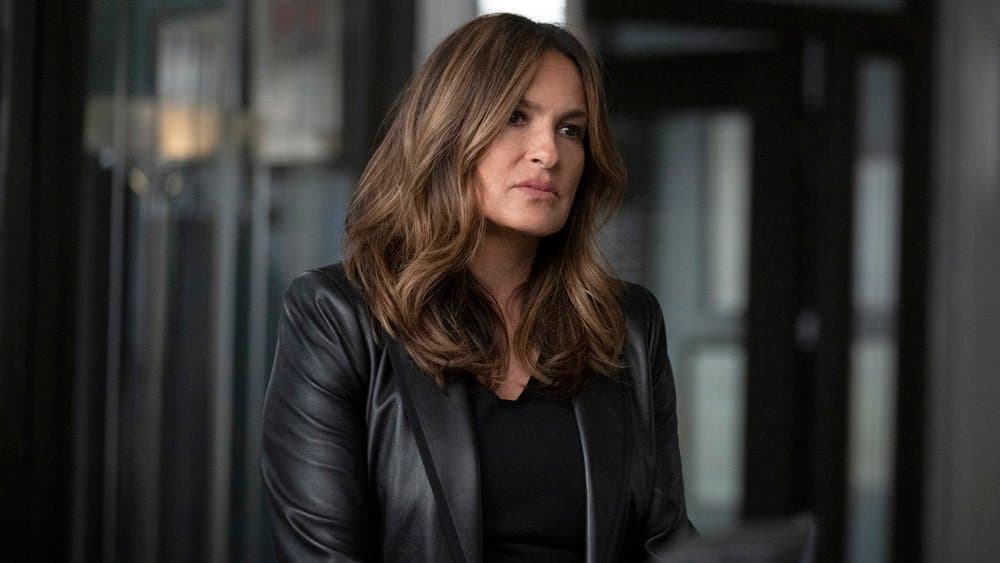
Celebrating Captivating Captain Benson: A Mariska Hargitay 'Law & Order: SVU' Marathon Airs September 10 on NBC
Get ready for a thrilling television event as NBC pays homage to the unparalleled talent of Mariska Hargitay with an exceptional 'Law & Order: SVU' marathon airing on September 10. This extraordinary
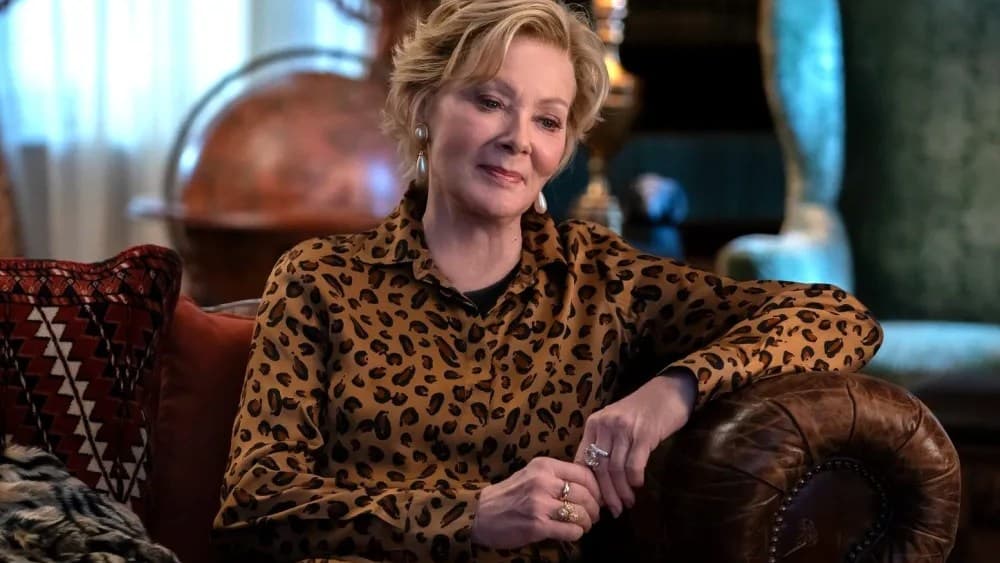
The Unprecedented Quest for Emmy History: Jean Smart vs. Zendaya
Emmy night is always a thrilling spectacle, but this year, the stakes are higher than ever before as two formidable actresses — Jean Smart and Zendaya — battle it out for a groundbreaking achievement

Kate Beckinsale Hits Back at Body-Shamers, Vows to Prioritize Mental Health After Mother's Death
British actress Kate Beckinsale has spoken out against the online body-shaming she's faced in the wake of her mother Judy Loe's tragic passing. In a poignant message shared on Instagram, the 53-year-o