The Barefoot Contessa Speaks: Why Ina Garten Embraced a Life Without Children—and Why It Wasn’t Regret Ina Garten, the
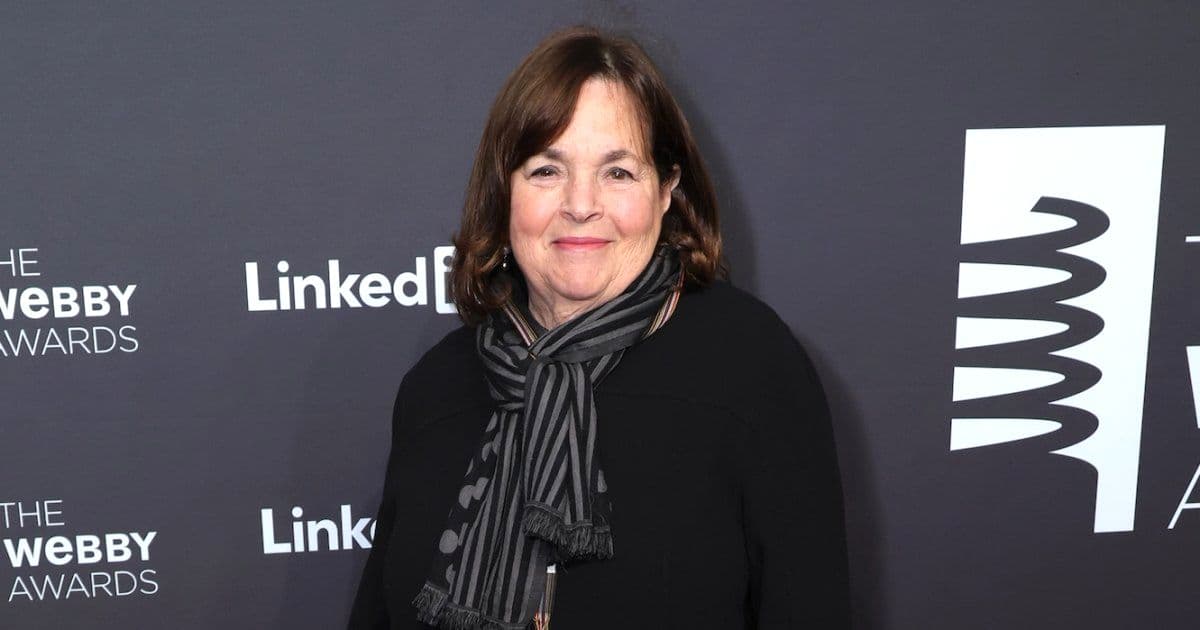
# **The Barefoot Contessa Speaks: Why Ina Garten Embraced a Life Without Children—and Why It Wasn’t Regret** Ina Garten, the woman who turned a sleepy Long Island gourmet shop into an empire, has spent decades crafting meals with precision, patience, and an unshakable sense of purpose.
Now, at 78, she’s serving up another kind of dish—one that reveals the quiet, deliberate choices behind her child-free life.
In a rare and candid interview with *The New York Times* last weekend, Garten acknowledged what many have speculated for years: that motherhood would have derailed the career and the lifestyle she built.
“I think it would have been difficult,” she said simply, before adding, “I’m not saying it’s a better life or a worse life, but there were times when Jeffrey and I would have had a different life together.” The admission is striking not just for its honesty, but for its timing.
At a moment when the conversation around family planning has never been more public—with celebrities, influencers, and even politicians openly debating the pros and cons of parenthood—Garten’s words carry weight. She is, after all, a woman who defied the expectations of her era.
Married in 1968, when the idea of a woman prioritizing a career over children was still radical, she instead chose to build something else: a brand, a business, and a legacy that would outlast the fleeting trends of any given decade.
Her story isn’t just about cooking; it’s about the unspoken sacrifices of ambition, the freedom of choice, and the quiet confidence of a life well-lived on one’s own terms. What makes Garten’s reflection even more compelling is how seamlessly her professional and personal decisions intertwined.
The same drive that led her to quit her government job at 30 to rescue *The Barefoot Contessa* from bankruptcy is the same force that kept her from becoming a mother. “I couldn’t have stayed long hours at the store, doing catering and running the store” if she had children, she explained.
The logistics alone would have been a barrier, but the emotional toll—what she called the “different life” she and Jeffrey would have led—seems to have been the deciding factor.
For Garten, the choice wasn’t about societal pressure or fleeting hesitation; it was a calculated, lifelong commitment to a path that demanded everything she had to give. --- ## **A Life Built on “What Ifs” and “Could Haves”** Garten’s career is a masterclass in reinvention.
When she walked into *The Barefoot Contessa* in 1978, the store was struggling, its inventory stale, its future uncertain. She didn’t just save it—she transformed it into a lifestyle, a personality, a *brand*.
The name stuck, the recipes became iconic, and by the time she sold the physical restaurant in 1996, she had already begun her second act: a string of bestselling cookbooks, a *Food Network* empire, and a public persona that blended warmth with unapologetic expertise.
Along the way, she became a cultural touchstone, the kind of figure whose voice on cooking was as trusted as Julia Child’s had been decades earlier. Yet for all her public success, Garten’s private life has remained deliberately low-key.
She and Jeffrey, her husband of 58 years, have long been a study in quiet partnership—no tabloid drama, no public feuds, just the steady rhythm of a life built on shared values. That stability, she suggests, was partly a product of their child-free choice.
“Jeffrey decided he wanted to start a business in Japan,” she recalled, “so he moved to Japan. I was in East Hampton, we went back and forth, and we figured it out.” The flexibility to navigate such a major career shift—one that would have been nearly impossible with young children—wasn’t just convenient.
It was essential. “I think that probably couldn’t have happened if we had kids,” she said, the implication clear: their unconventional path required an unconventional structure.
The timing of Garten’s remarks also underscores a broader cultural shift. The U.S. birth rate has plummeted to historic lows, with women in their 30s and 40s increasingly opting for smaller families—or none at all.
The reasons are as varied as the women making the choice: financial constraints, career ambitions, environmental concerns, or simply the realization that a life without children can be just as fulfilling. Garten’s generation, however, faced a different kind of scrutiny.
In the 1960s and ’70s, a woman’s primary role was still often assumed to be wife and mother. Garten, then, was swimming against the current from the start.
Her decision wasn’t just personal; it was political.
By choosing her career over children, she rejected the idea that fulfillment had to come in a single, prescribed package. --- ## **The Weight of “What Could Have Been”** Garten isn’t the first high-profile figure to reflect on the child-free life, nor will she be the last.
But her candor stands out because it lacks the defensiveness that often accompanies such conversations. There’s no backtracking, no “I just wasn’t meant to be a mother” disclaimer.
Instead, she speaks with the quiet certainty of someone who has never questioned her choice. “I’ve never looked back on the decision and thought, *I should have done it differently*,” she told *The Times*.
“I understand how my friends have wonderful families, and they really enjoy being parents, but it’s just not something I ever wanted to do.” This isn’t the first time Garten has addressed the topic. In 2017, she told *Katie Couric* that the decision was an early one, made with Jeffrey and without regret.
“I really felt, I feel, that I would have never been able to have the life I’ve had [with children],” she said then. The consistency of her stance is telling.
Over the years, as friends and colleagues had children, as her own career soared, Garten never wavered. She didn’t fill the void with pets, or volunteer work, or even the occasional foster child—common substitutes for those who might second-guess their choice.
Instead, she poured her energy into her work, her marriage, and the community she built in East Hampton, where she and Jeffrey have been fixtures for decades. What’s fascinating is how Garten’s life reflects the evolving definition of success.
For generations, a woman’s legacy was often measured by her children’s achievements. But Garten’s legacy is her own: the way she revived a struggling business, the way she made cooking accessible and joyful for millions, the way she turned a nickname into a cultural shorthand for warmth and expertise.
Her satisfaction isn’t derived from what she didn’t do; it’s rooted in what she *did* do—and the freedom to do it without apology. Yet even the most secure choices can carry the shadow of “what if.” Garten’s friends, no doubt, have grandchildren she’ll never know.
There are family dinners she won’t attend, holidays she won’t host. But she doesn’t dwell on these absences.
Instead, she speaks of the life she *has* built—one where she and Jeffrey travel together, where her home is a sanctuary for friends, where her work remains her greatest passion. “I’m really happy that I didn’t” have children, she concluded in her recent interview.
The simplicity of the statement is powerful. There’s no guilt, no hesitation.
Just clarity. --- ## **The Ripple Effect: What Garten’s Words Mean for the Next Generation** Garten’s interview arrives at a moment when younger women are increasingly rejecting the idea that motherhood is a non-negotiable part of a fulfilling life.
Social media has amplified the voices of those who choose to remain child-free, whether for personal, professional, or ethical reasons.
Celebrities like Mindy Kaling and Jada Pinkett Smith have spoken openly about their decisions, and the conversation has trickled down to everyday women who now feel less isolated in their choices.
Garten’s candor adds another layer to this dialogue: the perspective of a woman who made her decision decades ago, when the cultural script was far more rigid. For younger women watching, Garten’s story is a reminder that timing matters.
She didn’t wake up one day and decide against children on a whim. It was a choice made in her 20s, when she was still figuring out who she was outside of traditional roles.
That early certainty allowed her to focus without distraction. But her life also shows the risks of waiting too long to reflect on such a major decision.
By her mid-30s, she was already deep into her career, and the idea of pivoting to motherhood—with all its logistical and emotional demands—felt impossible. What’s most inspiring about Garten’s approach is her lack of bitterness or longing.
She doesn’t romanticize the life she didn’t live, nor does she dismiss the joys of parenthood. Instead, she offers a model of contentment: a life shaped by deliberate choices, not societal expectations.
In an era where so many women feel torn between career and family, Garten’s story is a counterpoint. It’s possible, she suggests, to build a life that feels complete without children—not because they’re unimportant, but because *this* path was the right one for her.
As for what comes next? Garten shows no signs of slowing down.
At 78, she’s still writing, still cooking, still hosting *Ina Garten’s Cooking School* on the *Food Network*. Her latest cookbook, *Modern Comfort Food*, was released earlier this year, and her East Hampton home remains a hub for friends and colleagues.
She and Jeffrey, too, are still very much a team, their partnership what’s possible when two people align their values. If there’s a lesson in her story, it’s this: the most fulfilling lives aren’t the ones that follow a script.
They’re the ones that are written on one’s own terms.
Fisun Yıldırım
This article was prepared for publication by HotStar Daily and checked for publication requirements under our editorial standards. We review available information and correct material errors when they are identified.
Quick Answers
- What is the latest update on this story?
- The Barefoot Contessa Speaks: Why Ina Garten Embraced a Life Without Children—and Why It Wasn’t Regret Ina Garten, the woman who turned a sleepy Long Island gourmet shop into an empire, has spent dec
- Who is this story about?
- This article covers developments related to The Barefoot Contessa Speaks: Why Ina Garten Embraced a Life Without Children—and Why It Wasn’t Regret Ina Garten, the. HotStar Daily's editorial team monitors the story and updates the article as new verified information becomes available.
- Where can I read more about Barefoot?
- HotStar Daily publishes original reporting on Barefoot and related entertainment news. Visit the homepage or browse the section dedicated to this story for the latest coverage.
Related topics
More From This Section
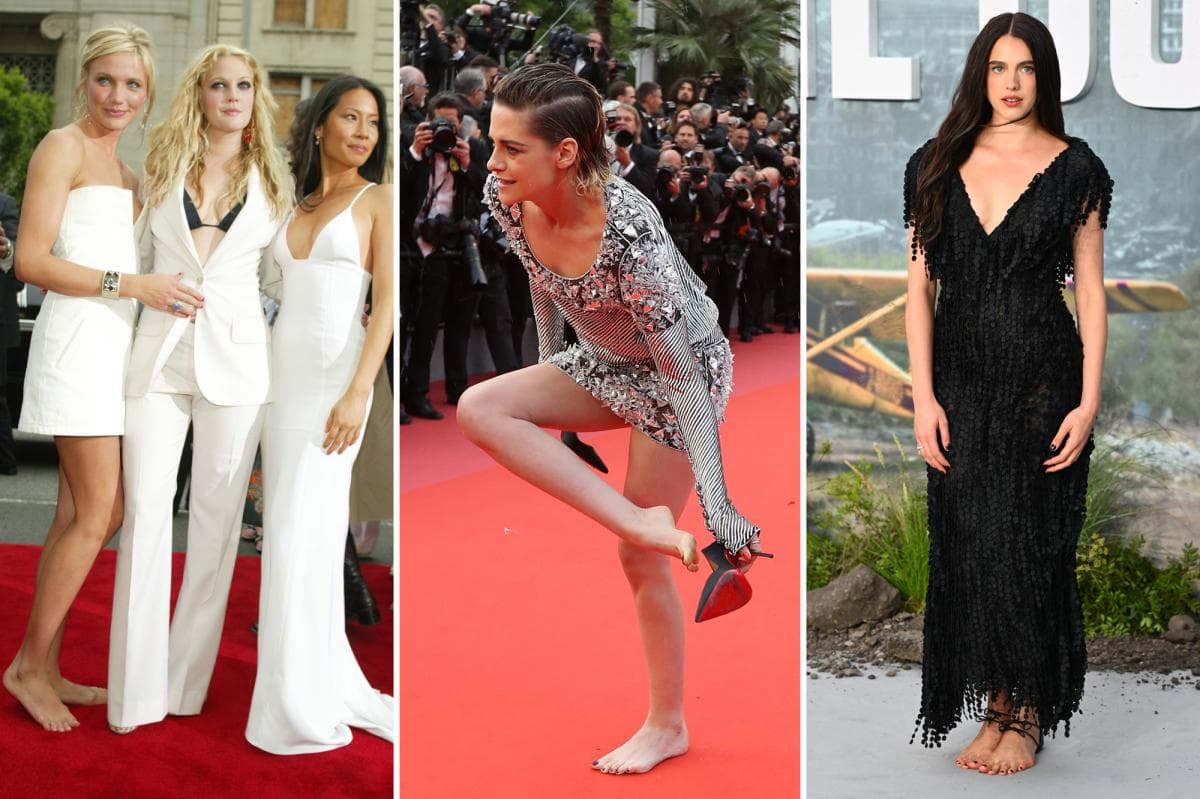
Chanel's controversial "barefoot sandals" made their red carpet debut when Margaret Qualley wore them to the London premiere of "The Dog Stars." The impractical shoes, which left toes and balls expose
Celebrities Going Barefoot on the Red Carpet: A Historical Perspective
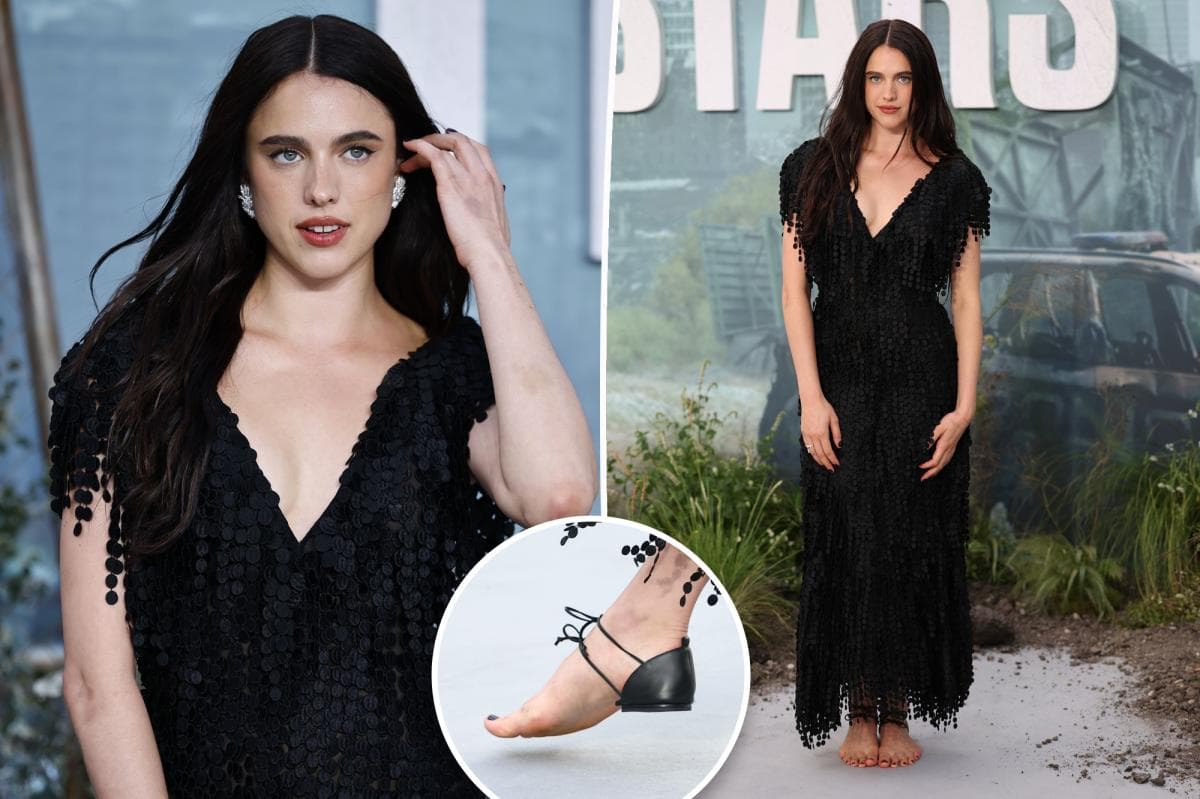
Margaret Qualley took a bold step at the London premiere of her new film, donning Chanel's infamous "barefoot cap heel" flats that left the fashion world divided. The actress, 31, sported a V-neck fri
Margaret Qualley Bares All in Chanel's Controversial 'Barefoot Cap Heel' Flats at Film Premiere

The Mailbox Mystery: How a Florida Congressman’s Memory—and His Staff’s—Failed a Simple Test The video is grainy but undeniable: a Ring doorbell capture from a quiet suburban home in Florida’s 17th D