The Unforgivable Line: Spencer Pratt’s Brutal Take on Lindsay Clancy’s Trial—and What It Reveals About Justice, Mental
📣 Share this story with your friends
One-click share to WhatsApp, X, Facebook or Reddit — every share brings a new reader.

# **"The Unforgivable Line: Spencer Pratt’s Brutal Take on Lindsay Clancy’s Trial—and What It Reveals About Justice, Mental Illness, and the Limits of Redemption"** Spencer Pratt doesn’t pull punches.
The former *Real Housewives of Beverly Hills* star, known for his sharp wit and even shar, has never been one to shy away from controversy. But his latest remarks—posted on X over the weekend—cut dee.
In a series of blunt, unfiltered tweets, Pratt compared Lindsay Clancy, the Massachusetts woman on trial for allegedly strangling her three young children, to a pit bull that kills a child. His message was clear: if an animal can’t be trusted after such an act, how can a human be allowed to live?
The comparison was jarring, deliberate, and designed to provoke. Pratt argued that impulses leading to filicide—no matter the mental state—should result in permanent removal from society.
"When a pit bull kills a kid, we exterminate them," he wrote. "The animal may not understand why it did it, but we still can’t trust it." Extending the logic to Clancy, he declared that if someone kills their children, "your life is over anyway," and that she should be locked away forever.
The tweets landed like a gut punch in a trial already fraught with moral and legal complexity. What makes Pratt’s intervention striking isn’t just the severity of his stance, but the way it forces a reckoning with two of America’s most fraught questions: How do we punish the unthinkable?
And when, if ever, does society have the right to declare someone beyond redemption? --- ## **The Case That Won’t Let Go** The trial of Lindsay Clancy, a former model and mother of three, has captivated the public in ways few criminal cases do.
The allegations—strangling her children, Cora (7), Dawson (5), and Callan (3), in their Massachusetts home in January 2023—are so horrific they defy comprehension.
The defense has centered on postpartum psychosis, arguing that Clancy, who had a history of mental health struggles, was not criminally responsible for her actions.
Prosecutors, however, paint a different picture: one of premeditation, of a woman who knew exactly what she was doing when she silenced her children forever. More than 20 days of testimony have laid bare a life unraveling under the weight of undiagnosed illness, financial strain, and isolation.
Clancy’s lawyers have presented medical experts who describe her state as one of delusional despair, where she believed her children were better off dead. The prosecution, meanwhile, has highlighted inconsistencies in her story, suggesting a darker motive lurked beneath the surface.
The jury, now deliberating, faces an impossible choice: to convict a woman who may have been too sick to understand her actions, or to accept that some crimes are so heinous they demand punishment regardless of mental state. What’s undeniable is the case’s grip on the public imagination.
Filicide trials are rare, but when they occur, they expose the raw edges of society’s tolerance for violence.
Clancy’s story isn’t just about a mother and her children—it’s about the limits of empathy, the failure of systems meant to protect the vulnerable, and the terrifying question of whether some people, once they’ve crossed a line, can ever be trusted again. --- ## **The Pit Bull Analogy—and What It Gets Wrong** Spencer Pratt’s pit bull comparison wasn’t just rhetoric; it was a deliberate framing device.
By equating Clancy to an animal deemed irredeemable after an act of violence, he tapped into a primal instinct: the need to see justice as absolute, uncompromising. The analogy resonated because it strips away the nuances of mental illness, reducing the case to its most visceral element—the unthinkable act itself.
But the comparison also reveals a flaw in how society often approaches these cases. Pit bulls, regardless of their history or temperament, are often euthanized after attacks not because of their capacity for rehabilitation, but because of public fear and policy.
Humans, however, are not animals. Clancy’s defense rests on the idea that her mind was so clouded by illness that she lacked the capacity to form criminal intent—a legal argument that, if successful, could spare her from prison.
Pratt’s response dismisses this entirely, treating her as if she were a creature beyond human understanding. The tension here is real.
Should society err on the side of caution, locking away someone who may have been too sick to know right from wrong? Or does the severity of the crime demand a response that doesn’t account for mental health at all?
The debate isn’t new, but Clancy’s case has forced it into the spotlight in a way few others have.
Pratt’s stance reflects a growing impatience with legal and medical excuses for violence, but it also risks ignoring the very systems that might prevent such tragedies in the future. --- ## **What Happens Next—and the Unanswered Questions** The jury’s verdict will be the first chapter in what promises to be a long, contentious aftermath.
If Clancy is found criminally responsible, the question of sentencing will immediately arise. Should she face life in prison?
Death row? Or some other form of permanent confinement?
The prosecution’s case suggests they believe the answer is unequivocally yes. The defense, meanwhile, will likely argue for a path that acknowledges her illness while still holding her accountable in a way that doesn’t repeat the failures that led to this point.
Beyond the courtroom, the trial has already sparked broader conversations about mental health care, particularly for new mothers. Clancy’s history of untreated postpartum depression and psychosis raises uncomfortable questions about how society fails those in crisis.
If she had received pro, would this tragedy have been prevented? The answer may never be clear, but the case has undeniably exposed gaps in a system that too often treats mental illness as a personal failing rather than a medical emergency.
Then there’s the matter of public opinion. Pratt’s tweets are just one voice in a chorus that includes legal analysts, psychologists, and everyday people grappling with the case.
Some see Clancy as a victim of her own body’s betrayal; others view her as a monster beyond forgiveness. The divide is a reflection of how deeply these issues cut—into our sense of justice, our capacity for mercy, and our willingness to confront the darkness that lurks even in the most stable-seeming lives.
Whatever the jury decides, one thing is certain: this case won’t fade quickly.
It will linger as a cautionary tale, a legal precedent, and a painful reminder that even in the face of unimaginable horror, society is still figuring out how to respond. --- The trial’s outcome may bring some closure, but the questions it raises will outlast it.
And for those who follow this story closely, the real debate has only just begun.
Fisun Başaran
This article was prepared for publication by HotStar Daily and checked for publication requirements under our editorial standards. We review available information and correct material errors when they are identified.
Quick Answers
- What is the latest update on this story?
- "The Unforgivable Line: Spencer Pratt’s Brutal Take on Lindsay Clancy’s Trial—and What It Reveals About Justice, Mental Illness, and the Limits of Redemption" Spencer Pratt doesn’t pull punches. The
- Who is this story about?
- This article covers developments related to The Unforgivable Line: Spencer Pratt’s Brutal Take on Lindsay Clancy’s Trial—and What It Reveals About Justice, Mental. HotStar Daily's editorial team monitors the story and updates the article as new verified information becomes available.
- Where can I read more about Lindsay?
- HotStar Daily publishes original reporting on Lindsay and related entertainment news. Visit the homepage or browse the section dedicated to this story for the latest coverage.
Related topics
More From This Section
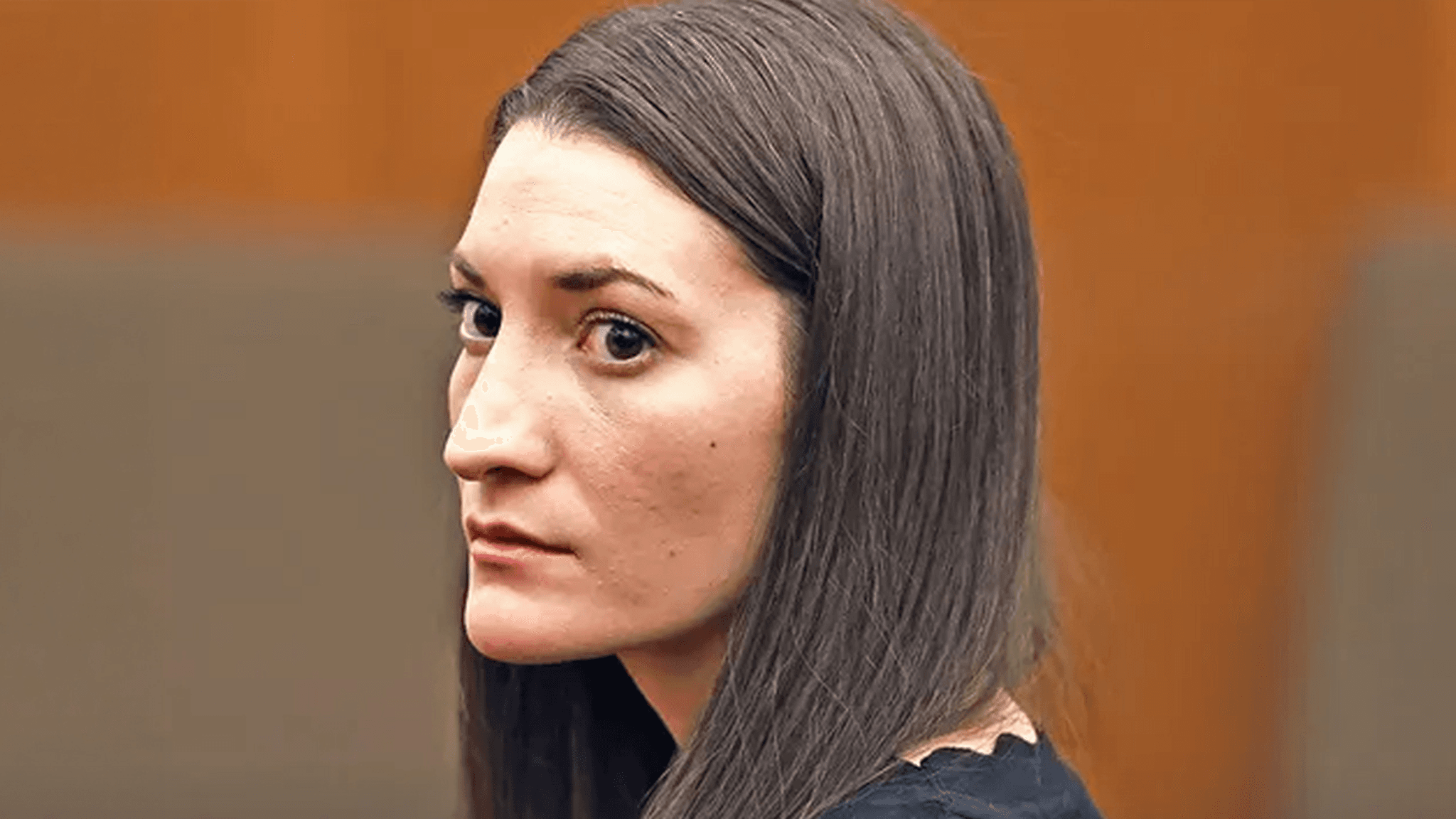
Closing arguments in the Lindsay Clancy triple-murder trial begin today, and you can watch live here. After over 20 days of testimony, prosecutors and defense teams make their final pitches. Accused o
Lindsay Clancy Murder Trial: Closing Arguments Begin - Watch Live Stream
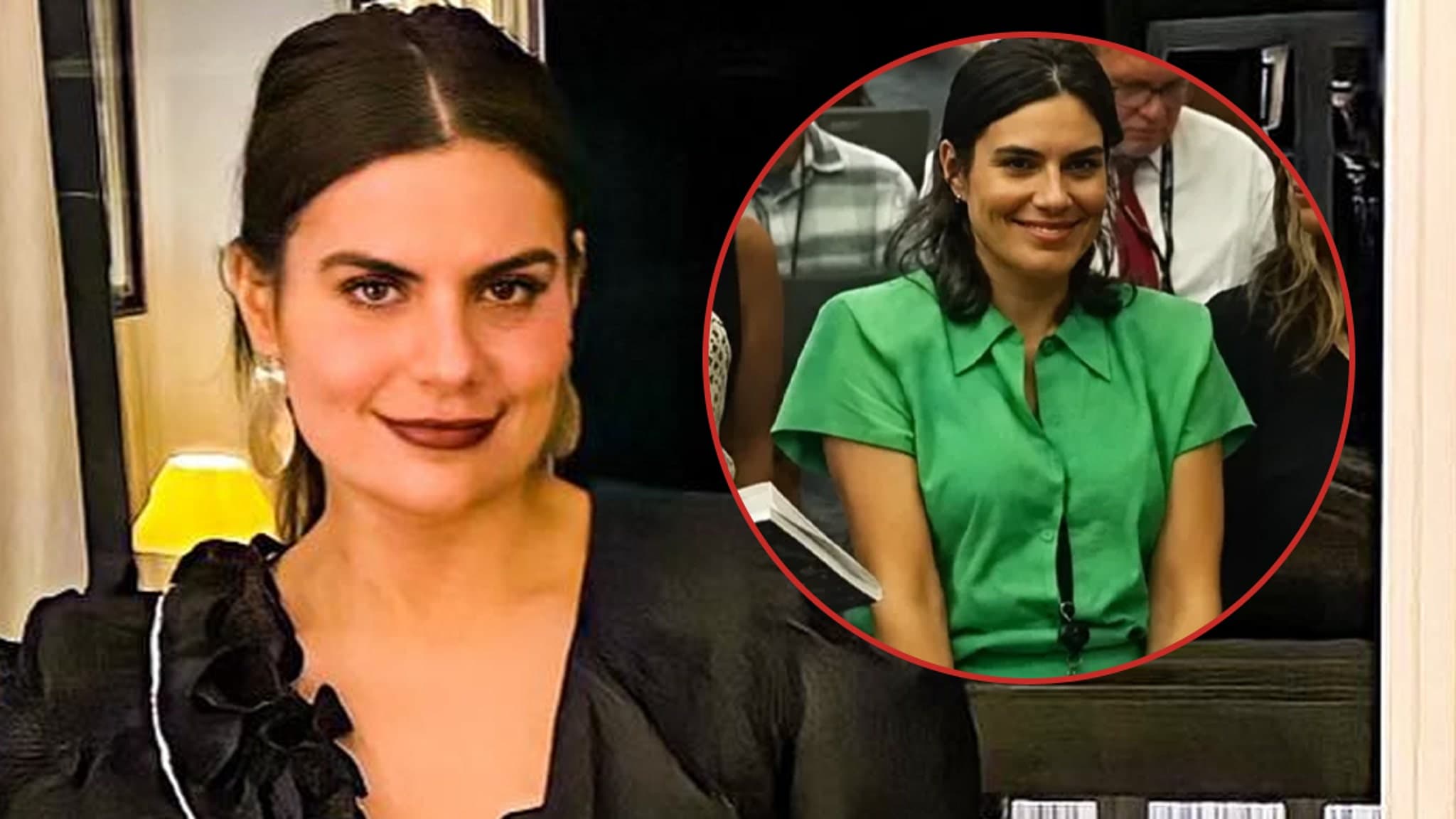
Brittany Romano, the freelance reporter who gained attention for smiling during the Lindsay Clancy trial, is now receiving violent death threats. In an Instagram post, Romano explained that her expres
Freelance Reporter Under Fire for Smiling During Lindsay Clancy Trial Faces Violent Death Threats
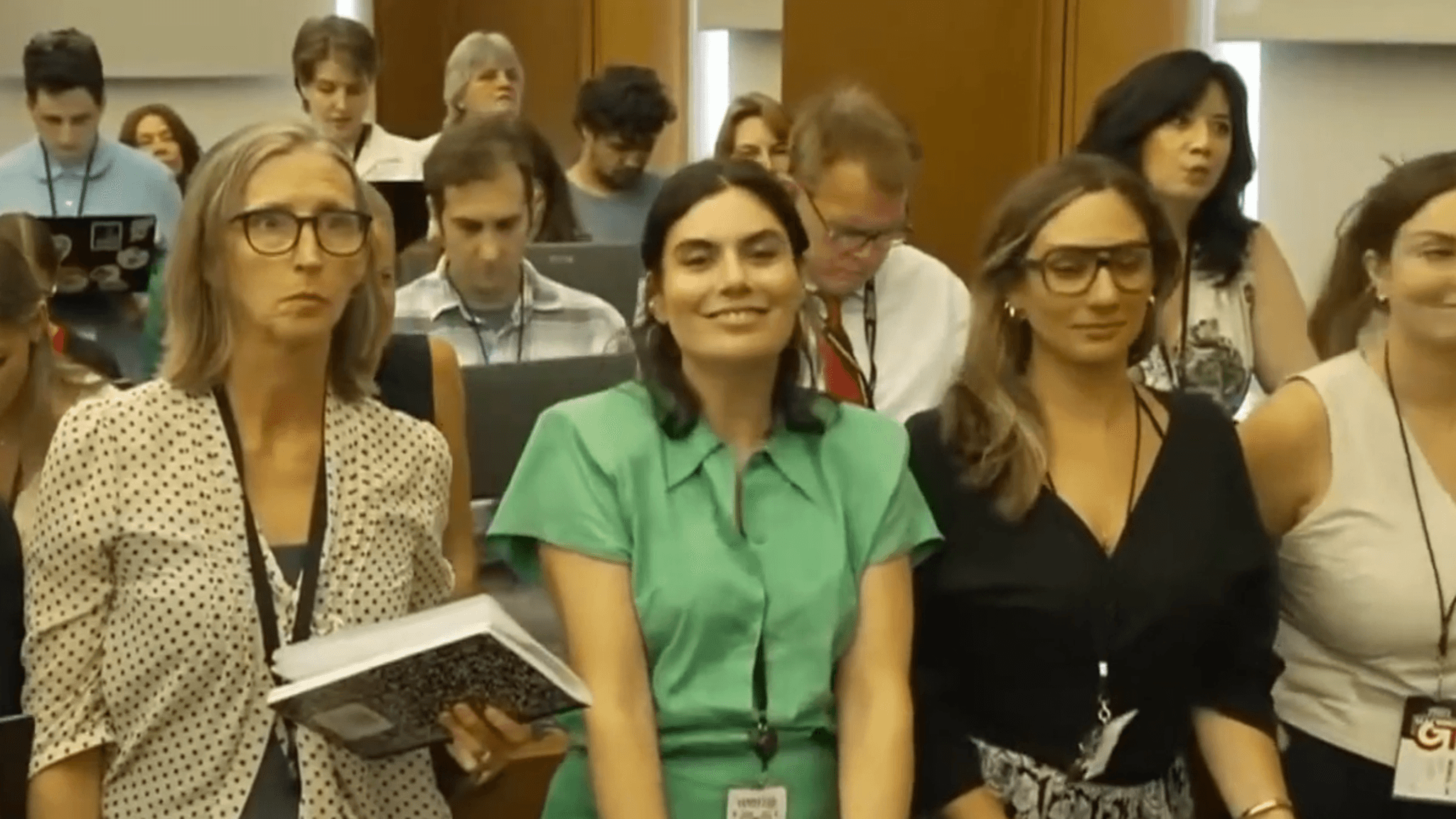
In a sudden turn of events, the controversial essay by Brittany Romano about her experience covering the Lindsay Clancy murder trial has been cancelled by Vanity Fair. The publication's parent company