The Unlikely Alliance: Why Marjorie Taylor Greene Just Took Down Laura Loomer—and What It Means for the GOP The
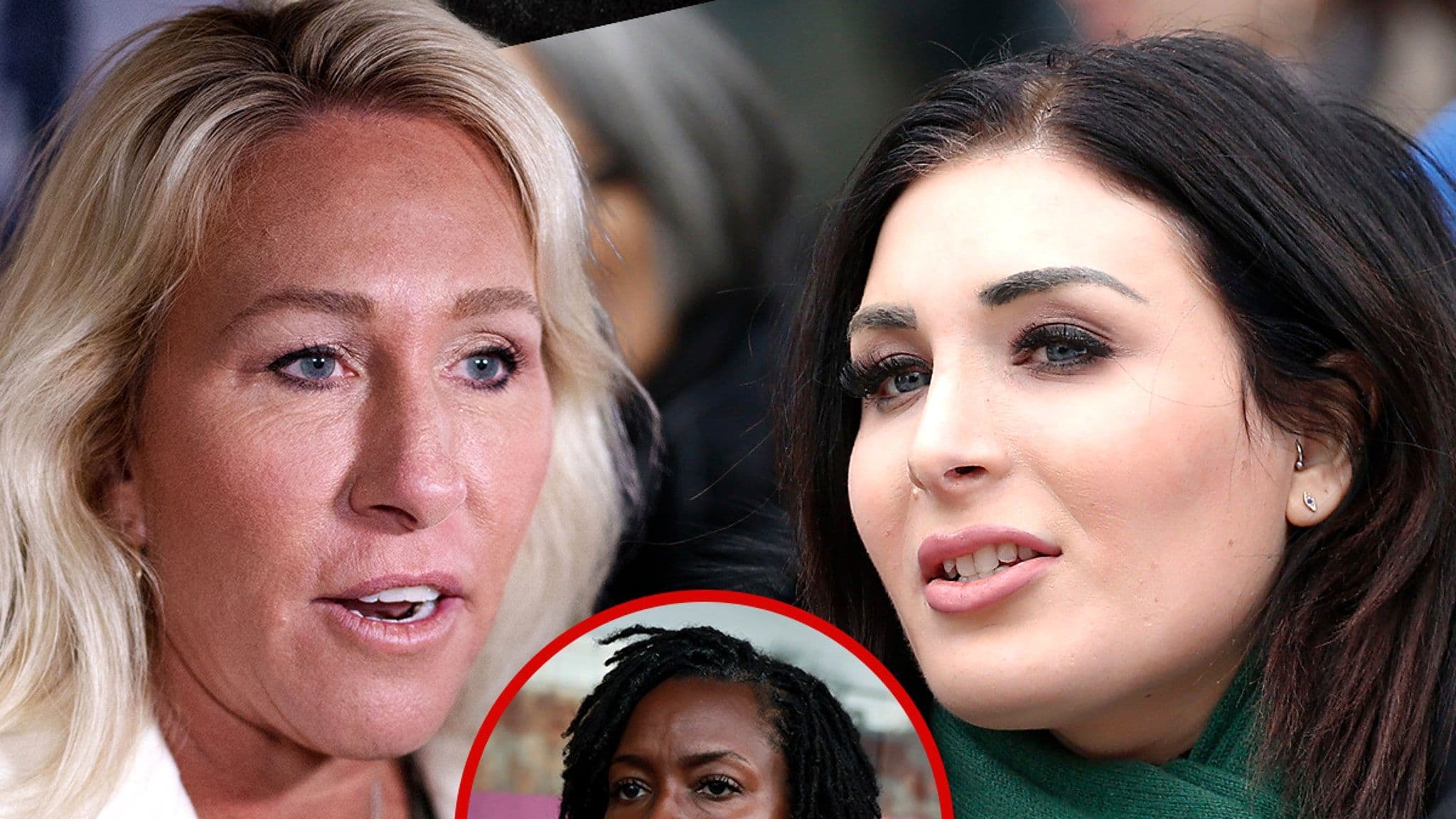
# **The Unlikely Alliance: Why Marjorie Taylor Greene Just Took Down Laura Loomer—and What It Means for the GOP** The political landscape has always been a minefield of shifting alliances, but few moments in recent memory have been as jarring as Marjorie Taylor Greene’s public takedown of Laura Loomer.
The fiery Georgia congresswoman, no stranger to controversy herself, took to social media Sunday to denounce Loomer’s racial slurs against Florida state Rep. Angie Nixon—a Black Democrat—as "hateful, racist comments" and accused Donald Trump and the Republican Party of enabling her behavior.
What makes this moment even more striking is that Greene, a staunch Trump ally, has spent years defending the far-right wing of the GOP. This time, she drew a line in the sand.
The back-and-forth between Loomer and Nixon had already spiraled into outright hostility before Greene weighed in.
Loomer, a longtime Trump supporter and conservative commentator, had called Nixon—a sharp-tongued critic of the former president—a "ghetto bitch." Nixon, unfazed, fired back with a viral response, invoking Queen Latifah’s iconic line, *"Who you calling a bitch?"* before mocking Loomer’s own past antics, including a bizarre moment where she was caught eating dog food on camera.
Loomer didn’t back down. Instead, she doubled down with a racial slur of her own, telling Nixon she "speak[s] Ebonics," and suggesting she needed to be "tugged by the leash" to understand her.
The exchange was ugly, but Greene’s response was unexpected: a full-throated rejection of Loomer’s rhetoric, framed as a warning to the GOP about the cost of its unchecked extremism. Greene’s intervention isn’t just a personal rebuke—it’s a political earthquake.
The congresswoman, who has built her career on culture-war provocations, has never before publicly distanced herself from Loomer, a figure who has long been embraced by Trump and the party’s most hardline factions.
By calling out Loomer’s comments as racist and arguing that they hurt Republican Senate candidate Ashley Moody’s campaign against Nixon, Greene is sending a message: the GOP’s embrace of unchecked vitriol has consequences.
Her final jab—that this is "Trump’s new MAGA and Republican Party and I want nothing to do with it"—is a rare moment of defiance from someone who has spent years riding the same wave. --- ## **A History of Hostility: How Loomer and Nixon Clashed Before Greene’s Intervention** The feud between Laura Loomer and Angie Nixon didn’t begin with racial slurs—it was built on years of political and personal animosity.
Nixon, a former prosecutor and outspoken critic of Trump, has been a thorn in the side of Florida’s Republican establishment since her election in 2020.
She quickly became a target for the far right, particularly after she challenged Trump’s election fraud claims and supported efforts to investigate the January 6 Capitol riot.
Loomer, a vocal Trump loyalist and former candidate for Congress herself, has long seen Nixon as a symbol of everything she opposes: a Black woman in politics who doesn’t toe the party line. Their latest exchange, however, escalated far beyond typical partisan bickering.
Loomer’s use of the term "ghetto bitch" wasn’t just offensive—it was a deliberate provocation, one that forced Nixon into a viral counterpunch. The back-and-forth wasn’t just about policy; it was about power, race, and who gets to set the terms of political discourse in the GOP.
Nixon’s response, complete with a reference to Queen Latifah’s *Living Single* era, tapped into a cultural moment, making her the clear winner in the public eye. Loomer, meanwhile, doubled down in a way that even some of her allies found hard to defend.
Her follow-up about "Ebonics" and "tugging leashes" wasn’t just a slip—it was a calculated escalation, one that Greene later called out as "whispering nonstop insanity in the President’s ear." What makes this moment particularly fascinating is the timing. Nixon is running against Republican Sen.
Ashley Moody in a closely watched Florida race, and Loomer’s comments didn’t just alienate Black voters—they gave Nixon a powerful narrative. The Democratic base, already energized by Nixon’s defiance of Trump, now had a fresh reason to rally behind her.
Meanwhile, Moody’s campaign was left scrambling to distance itself from Loomer’s remarks, even as Trump remained silent.
Greene’s intervention, then, wasn’t just about calling out Loomer—it was about acknowledging that the GOP’s brand of unfiltered aggression has real electoral consequences. --- ## **The GOP’s Dilemma: Can the Party Survive Its Own Extremism?** Greene’s public break with Loomer is a rare moment of introspection in a party that has long thrived on outrage.
But her criticism isn’t just about one woman’s words—it’s about the broader culture of the GOP, where figures like Loomer, Nick Fuentes, and even some of Trump’s closest allies operate with little consequence.
The question now is whether the party will take Greene’s warning seriously or dismiss it as another example of her own volatility. So far, the reaction has been mixed.
Some conservatives have praised Greene for standing up to Loomer, arguing that the GOP can’t win if it’s seen as a haven for bigots. Others, however, have accused Greene of hypocrisy, pointing to her own history of inflammatory rhetoric.
Trump himself has remained silent, a telling omission given Loomer’s long-standing role as one of his most loyal surrogates. The former president’s refusal to disavow her suggests that, for now, the party’s embrace of extremism remains unshaken.
But Greene’s move could signal a shift—one where even the most hardened Trump supporters are beginning to question whether the cost of unchecked vitriol is too high. The bigger picture is even more complicated.
The GOP’s base has been radicalized in ways that make it difficult to police its own rhetoric. Figures like Loomer aren’t just commentators—they’re part of a larger ecosystem of influencers, podcasters, and politicians who have helped shape the party’s direction.
Greene’s break with Loomer, then, isn’t just about one feud—it’s about whether the GOP can ever return to a more conventional brand of conservatism. For now, the answer seems to be no.
But if the party continues to embrace figures like Loomer without consequence, it risks alienating not just moderates but even some of its most loyal supporters, who may be tired of the endless cycle of outrage. --- ## **What Comes Next: Will the GOP Listen—or Double Down?** The fallout from Greene’s intervention is still unfolding, but one thing is clear: the GOP’s extremism problem isn’t going away anytime soon.
Loomer, for her part, has shown no signs of backing down. She has continued to defend her comments, framing them as a response to Nixon’s "aggression" and arguing that the real issue is a "double standard" in how Black politicians are treated.
Trump’s silence speaks volumes—if he had disavowed Loomer, it would have sent a clear signal that the party is turning a page. Instead, his refusal to act reinforces the idea that the GOP’s inner circle remains untouchable.
For Greene, this moment may be a turning point. She has spent years defending Trump and the party’s most controversial figures, but her public rejection of Loomer suggests she’s reached a breaking point.
Whether this is a genuine shift or a calculated move to reposition herself remains to be seen. What is certain, however, is that the GOP’s future hinges on whether it can ever break free from the cycle of division and extremism that has defined it in recent years.
If Greene’s intervention is a sign of things to come, the party may finally be forced to confront its demons. But if Trump and his allies continue to embrace figures like Loomer without consequence, the damage will only deepen—and the GOP’s electoral prospects along with it.
The battle over who gets to define the Republican Party is far from over. But for now, Marjorie Taylor Greene has made one thing clear: not everyone in the GOP is willing to stand by while its most toxic elements drag it into the abyss.
Fisun Yıldırım
This article was prepared for publication by HotStar Daily and checked for publication requirements under our editorial standards. We review available information and correct material errors when they are identified.
Quick Answers
- What is the latest update on this story?
- The Unlikely Alliance: Why Marjorie Taylor Greene Just Took Down Laura Loomer—and What It Means for the GOP The political landscape has always been a minefield of shifting alliances, but few moments
- Who is this story about?
- This article covers developments related to The Unlikely Alliance: Why Marjorie Taylor Greene Just Took Down Laura Loomer—and What It Means for the GOP The. HotStar Daily's editorial team monitors the story and updates the article as new verified information becomes available.
- Where can I read more about Trump?
- HotStar Daily publishes original reporting on Trump and related entertainment news. Visit the homepage or browse the section dedicated to this story for the latest coverage.
Related topics
More From This Section

Vanessa Trump’s Unshakable Bond With Kai: A Mother-Daughter Mission in the Midst of Battle The image of a woman in a Target parking lot, her face etched with exhaustion but her smile unbroken, has be
Vanessa Trump’s Unshakable Bond With Kai: A Mother-Daughter Mission in the Midst of Battle The image of a woman in a
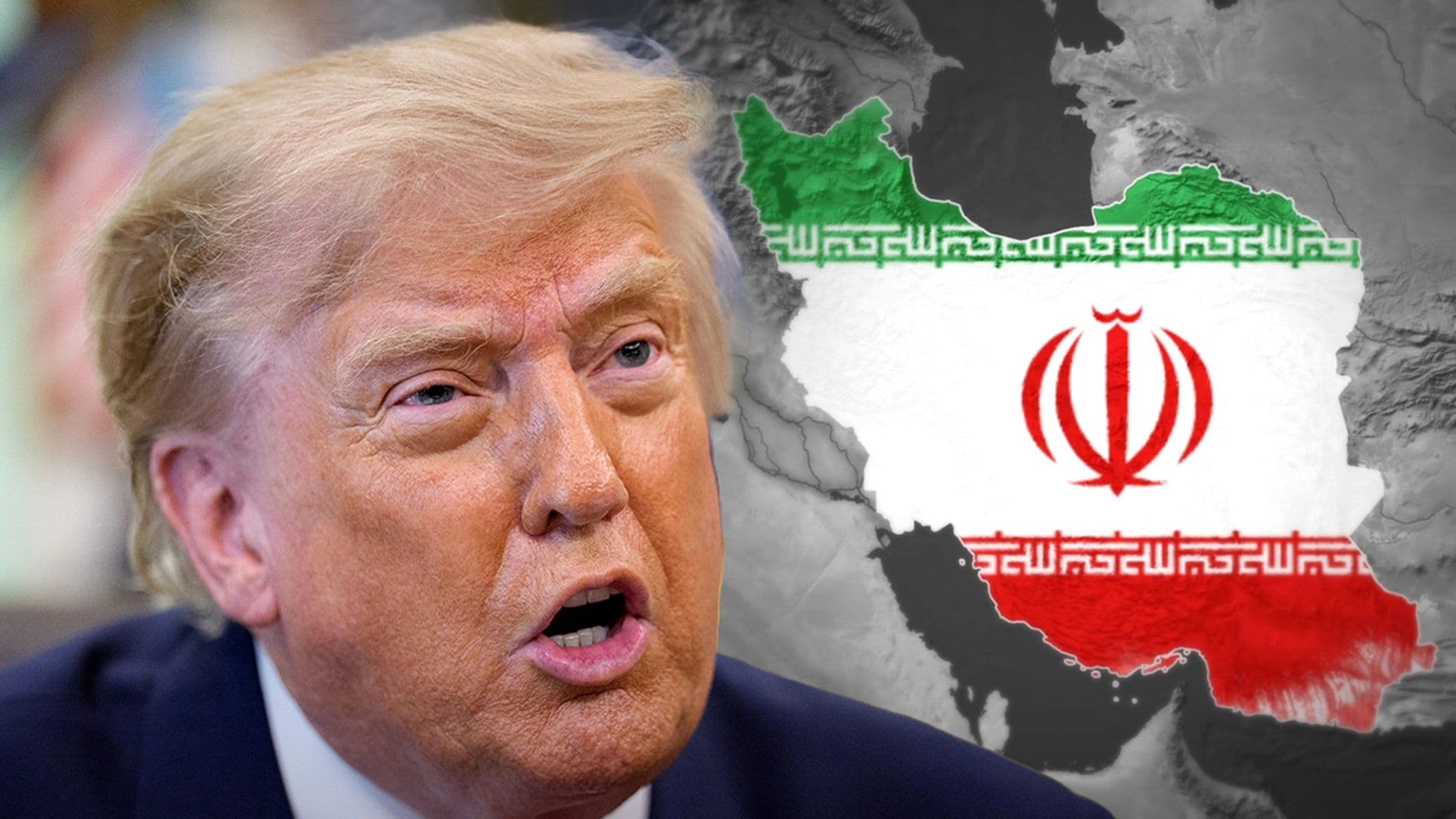
Trump’s AI Bombshell: How a Viral Video of Iran’s Kharg Island Exploding Became the Latest Flashpoint in a Real-World Crisis The internet lit up on Monday when former President Donald Trump posted a j
Donald Trump Shares A.I. Video of Iran's Kharg Island 'Blown to Smithereens
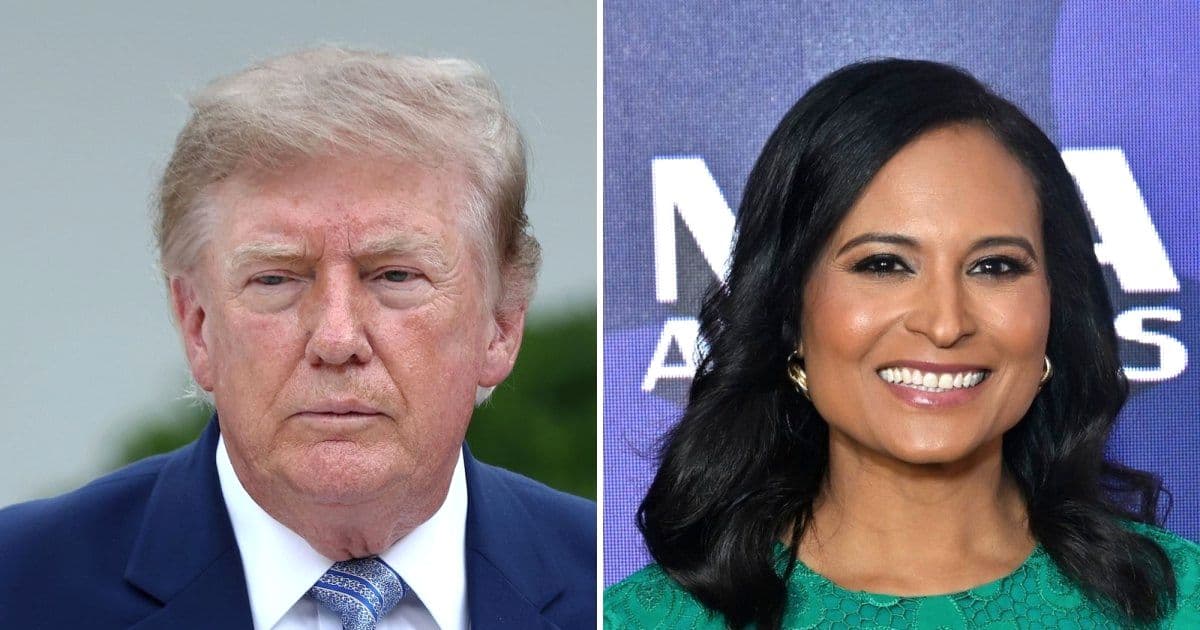
Trump Threatens FCC Action Against Meet the Press Host Kristen Welker—Is This the Latest Battle in the War on Press Freedom? The line between political rhetoric and direct threats to the media has bl