Looking for Sam": How Mariana Rondón’s Bold New Film Blurs Memory, Migration, and Identity The halls of the San
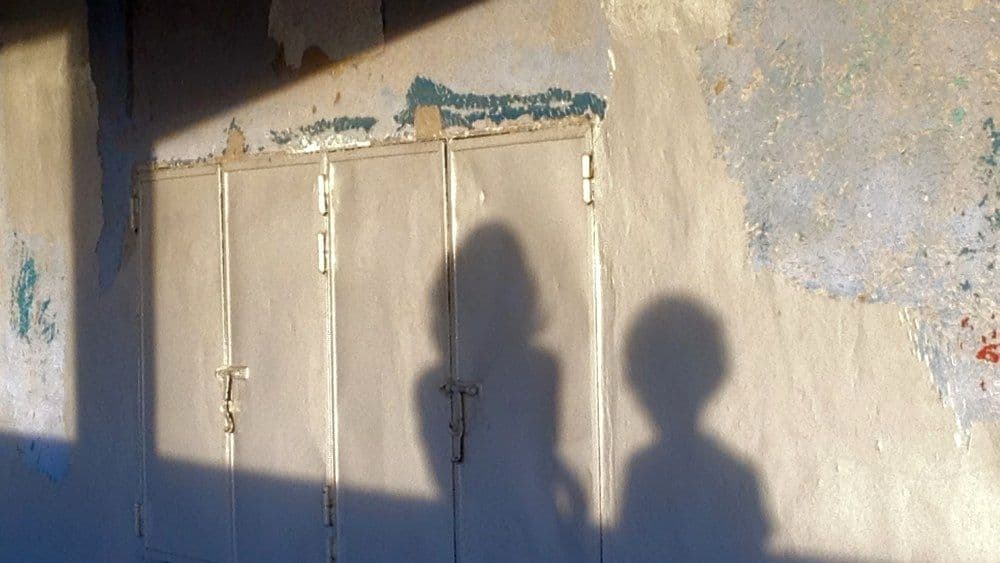
# **"Looking for Sam": How Mariana Rondón’s Bold New Film Blurs Memory, Migration, and Identity** The halls of the San Sebastián Film Festival have long been a proving ground for Latin American cinema’s most daring voices, and this year, one project stands out as both a reunion and a reinvention. *Looking for Sam*, the follow-up from Mexican director Mariana Rondón (*Bad Hair*), has just been greenlit by Martfilms, marking a high-stakes return to the themes of displacement, memory, and self-reinvention that defined her 2013 Golden Shell-winning drama.
But this time, the story isn’t just about a boy navigating Venezuela’s racial and political fractures—it’s about the people who survived them.
At its core, *Looking for Sam* is a docu-fiction hybrid that tracks two real-life figures: Sam Lange, the child actor who played Junior in *Bad Hair*, and Samantha Castillo, who portrayed his mother. Both fled Venezuela in the years after the film’s release, their lives scattered across Paris and Mexico City.
Rondón’s new project doesn’t just revisit their past; it forces them—and the audience—to confront the question of who they’ve become after leaving behind who they once were. The film’s title isn’t just a search for a person, but for the exact moment identity fractures under the weight of exile.
The collaboration between Martfilms and Sudaca Films (Rondón and Marité Ugás’s production company) is more than a creative partnership—it’s a convergence of artistic visions. For Martfilms’ Martha Orozco, the alignment feels like destiny.
“We’ve wanted to work together for years,” she says. “This film isn’t just a sequel; it’s a meditation on how cinema itself evolves alongside its subjects.” Orozco points to *Bad Hair* as a turning point—not just for Rondón’s career, but for Latin American film as a whole.
The 2013 drama, a raw, unflinching look at Venezuela’s social divides, was bold for its time, tackling racism, homophobia, and political polarization in a way few films dared.
Now, *Looking for Sam* arrives as both a tribute and a departure, asking whether art can outlive the world it once documented. --- ## **A Film That Walks the Line Between Fiction and Reality** The challenge of *Looking for Sam* lies in its structure.
Unlike *Bad Hair*, which anchored its drama in a single, explosive narrative, this new film weaves between documentary and fiction, blurring the line between the characters’ lived experiences and the stories they tell about them.
Rondón and Ugás describe it as a journey through “geographical, temporal, and bodily borders”—a search for the precise instant when a person stops being one version of themselves and starts becoming another. Sam Lange, now a young adult, has carved out a life in Paris, straddling the worlds of fashion and performance.
Castillo, meanwhile, resettled in Mexico, where she continues acting but grapples with the distance between her past and present.
The film doesn’t just follow them; it forces them to reckon with the gaps in their memories, the versions of themselves they’ve had to abandon, and the identities they’ve constructed in exile. “We’re not just looking for Sam,” Ugás says.
“We’re searching for the threshold where the old self ends and the new one begins.” The project’s genesis traces back to the *Écritures* Residency at Paris’s Cité internationale des arts, where Sudaca Films will spend six months this winter refining the screenplay.
The residency isn’t just logistical—it’s an opportunity to immerse themselves in Lange’s current world, observing how his life in Paris shapes the story. “Being in Paris allows us to see Sam not just as a character, but as a living, breathing person whose journey is still unfolding,” Ugás explains.
The residency also signals a deliberate shift toward European co-production, a strategic move given the film’s transatlantic themes and the need for funding to match its ambition.
For Rondón, the process has been about more than crafting a narrative—it’s about confronting the limitations of her own earlier work. *Bad Hair* was a snapshot of Venezuela in crisis, but *Looking for Sam* demands a broader, more fragmented perspective. “We can’t just show the past,” she has said.
“We have to show how the past lingers in the present, how it haunts you, how it reshapes you.” The result is a film that feels both intimate and expansive, a personal reckoning wrapped in the universal struggle of migration. --- ## **What People Are Saying: A Reckoning with the Past** The announcement of *Looking for Sam* has sparked conversations not just about the film itself, but about the role of Latin American cinema in preserving—and challenging—collective memory.
Critics and industry figures have praised Rondón’s willingness to return to the material of *Bad Hair*, not as a nostalgia trip, but as an examination of how stories evolve when their creators do. “This isn’t a sequel in the traditional sense,” says one festival programmer who has seen early footage.
“It’s a sequel to the idea of displacement itself.
Rondón isn’t just telling Sam’s story; she’s asking what happens when a film outlives the world it was made in.” The comparison to Chris Marker’s *La Jetée*—a short film that inspired *12 Monkeys*—has been inevitable, given the way *Looking for Sam* plays with time, memory, and the unreliability of narrative.
But where Marker’s work was speculative, Rondón’s is deeply rooted in real lives. Industry insiders also note the film’s potential to reignite interest in docu-fiction hybrids, a genre that has seen resurgence in recent years with films like *The Green Knight* and *After Yang*.
“The beauty of this approach is that it doesn’t ask the audience to choose between reality and fiction,” says a producer who has worked with Martfilms.
“It forces them to sit in the tension between the two, which is exactly where the truth lies.” For Sam Lange and Samantha Castillo, the project carries an added layer of vulnerability.
Both have spoken about the pressure of being recognized for roles they played as children, only to have their adult lives overshadowed by the past. “I was Junior in a film, but I’m not just Junior anymore,” Lange has reflected.
“This movie is about figuring out who I am now.” Castillo, too, has emphasized the importance of reclaiming her narrative. “We’re not just characters in someone else’s story,” she says.
“We’re the ones holding the pen.” --- ## **What Happens Next: A Festival Premiere and Beyond** With the 74th San Sebastián Film Festival set to run from September 18–26, *Looking for Sam* is poised to make its first major appearance at the Europe-Latin America Co-Production Forum.
The timing is deliberate: San Sebastián has long been a launchpad for films that bridge cultural divides, and this project—with its French, Mexican, and Venezuelan threads—fits squarely within that tradition.
If the reception is strong, the next stop could be Cannes or Venice, where its hybrid structure might draw critical attention. Beyond the festival circuit, the film’s success hinges on its ability to resonate with audiences who have experienced displacement in any form.
Rondón and Ugás are clear that they don’t want *Looking for Sam* to be seen as a “Latin American” story, but as a universal one. “Migration isn’t just a Venezuelan issue or a Mexican issue,” Ugás says.
“It’s a human issue. We want people to see themselves in this film, whether they’ve crossed a border or just felt like they’ve left a part of themselves behind.” For Martfilms, the project also represents a natural evolution.
The company, known for its commitment to diverse storytelling, has a history of backing films that challenge audiences—from *Beyond My Grandfather Allende* (which won the L’Œil d’Or at Cannes) to *Niñxs*, a raw portrayal of Mexico’s LGBTQ+ youth. *Looking for Sam* fits that tradition, but with a new urgency.
“We’re not just making a film,” Orozco says. “We’re participating in a conversation about what it means to remember, to forget, and to reinvent yourself.” As for Rondón, she’s already looking ahead to the next phase.
“This film is a bridge,” she says. “It connects the past to the present, but it also opens the door to whatever comes after.” Whether that means another reunion, another reinvention, or a entirely new story remains to be seen—but one thing is certain: *Looking for Sam* isn’t just a follow-up.
It’s a necessary reckoning. The search begins in San Sebastián.
Fisun Yıldırım
This article was prepared for publication by HotStar Daily and checked for publication requirements under our editorial standards. We review available information and correct material errors when they are identified.
Quick Answers
- What is the latest update on this story?
- "Looking for Sam": How Mariana Rondón’s Bold New Film Blurs Memory, Migration, and Identity The halls of the San Sebastián Film Festival have long been a proving ground for Latin American cinema’s mo
- Who is this story about?
- This article covers developments related to Looking for Sam": How Mariana Rondón’s Bold New Film Blurs Memory, Migration, and Identity The halls of the San. HotStar Daily's editorial team monitors the story and updates the article as new verified information becomes available.
- Where can I read more about Film?
- HotStar Daily publishes original reporting on Film and related entertainment news. Visit the homepage or browse the section dedicated to this story for the latest coverage.
Related topics
More From This Section

The Met’s Galliano Gala: How a Last-Minute Crisis Meeting Unraveled a Controversy That Had Been Brewing for Years The Metropolitan Museum of Art’s annual Costume Institute Gala has long been the pinn
The Met’s Galliano Gala: How a Last-Minute Crisis Meeting Unraveled a Controversy That Had Been Brewing for Years The
Prince Jackson Steps Into the Spotlight: A Quiet Tribute to Michael Jackson’s Legacy The Las Vegas Strip hummed with its usual energy on a Saturday night, but for one moment, the focus shifted to a p
Prince Jackson Steps Into the Spotlight: A Quiet Tribute to Michael Jackson’s Legacy The Las Vegas Strip hummed with

Netflix has set a December 24 premiere date for the final season of 'Emily in Paris'. The series, which will conclude its run on Christmas Eve, offers a glimpse into its latest adventure in Greece. As