The Met’s Galliano Gala: How a Last-Minute Crisis Meeting Unraveled a Controversy That Had Been Brewing for Years The
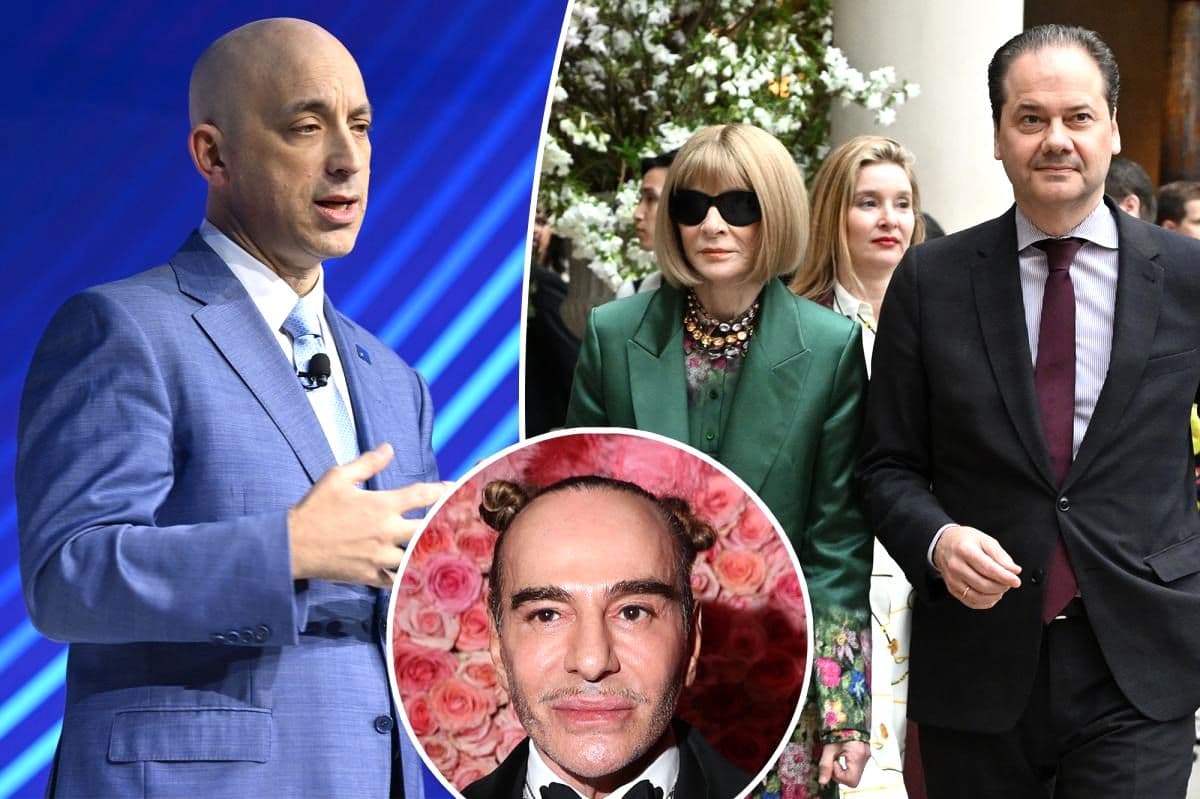
# **The Met’s Galliano Gala: How a Last-Minute Crisis Meeting Unraveled a Controversy That Had Been Brewing for Years** The Metropolitan Museum of Art’s annual Costume Institute Gala has long been the pinnacle of high fashion’s most extravagant self-celebration—a night where art, money, and ego collide under the glow of Anna Wintour’s disapproving glare.
But this year, the event’s centerpiece was never meant to be the clothes. It was the man behind them: John Galliano, the once-revered designer whose career was upended by a 2011 antisemitic tirade in a Paris bar.
Now, after months of simmering debate, a high-stakes breakfast meeting, and a sudden withdrawal from the spotlight, the Met’s decision to cancel the Galliano exhibition has exposed the fraught intersection of redemption, institutional power, and the unshakable weight of historical trauma.
The controversy didn’t begin with this year’s Gala. It began with Galliano’s own words—slurred, offensive, and captured on video—where he hurled antisemitic and racist slurs at strangers in a Paris nightclub.
The fallout was swift: a criminal conviction, a public apology, and a professional exile that lasted over a decade. Yet by 2023, Galliano had clawed his way back, staging a triumphant return at Paris Fashion Week and even securing a place in the Met’s prestigious Costume Institute.
The exhibition, *John Galliano: Horizons*, was set to debut in May 2027, timed to coincide with the annual Met Gala—a move that, in retrospect, now seems reckless.
But the real reckoning came not from the fashion world, but from the Jewish community, which had spent years watching as Galliano’s rehabilitation was framed as a story of forgiveness, while the rise of antisemitism in America made the timing of his honor feel like a provocation.
The breaking point arrived in a private meeting at the Loews Regency New York, where Jonathan Greenblatt, the CEO of the Anti-Defamation League, sat down with Max Hollein, the Met’s CEO, and at least one board member. The conversation was direct: the exhibition’s theme clashed with the moment.
With antisemitic hate crimes surging in New York—consistently among the highest in the nation—and political leaders showing little empathy for Jewish concerns, the ADL’s message was clear. The Met’s decision to honor Galliano, even with safeguards, risked sending the wrong signal.
Greenblatt wasn’t just urging caution; he was demanding a reversal. The pressure worked.
By the end of the week, Galliano himself had issued a statement withdrawing from the Gala, . --- ## **A Decade of Damage and the Illusion of Redemption** John Galliano’s career has always been a study in contradictions.
A British prodigy who rose to become the creative director of Dior, he was celebrated as a genius of avant-garde fashion—until the night in 2011 when his genius curdled into something uglier.
The video footage, grainy and horrifying, showed him shouting antisemitic slurs at a group of men in a Paris bar, his face twisted in a sneer. The incident led to a criminal trial, a suspended prison sentence, and a permanent blacklist from the fashion elite.
For years, Galliano was a pariah, his name synonymous with shame. Yet by the early 2020s, something shifted.
Galliano staged a comeback, returning to Paris Fashion Week in 2023 with a collection that critics called a masterpiece., under Anna Wintour’s watch, began to rehabilitate his image, framing his apology as sincere and his rehabilitation as the power of second chances.
The Met’s decision to mount an exhibition on his work in 2027 seemed to be the final seal of approval—a full restoration. But the timing was never neutral.
The exhibition was scheduled for Yom HaShoah, Holocaust Remembrance Day, a date that carried weight far beyond the fashion world. For Jewish New Yorkers, it wasn’t just about Galliano’s artistry; it was about whether institutions were willing to confront the legacy of his words.
The ADL had long maintained a cautious optimism about Galliano’s redemption. In 2023, Greenblatt went so far as to praise Galliano’s “genuine” efforts to atone, though he later walked back those remarks on social media, acknowledging the discomfort many Jews felt about the Met’s decision.
The tension between institutional forgiveness and communal memory became impossible to ignore. Behind the scenes, Met trustees were reportedly scrambling, with donors threatening to pull funding if the exhibition proceeded.
The museum’s board, already under scrutiny for its handling of other controversial exhibitions, found itself in a bind: honor a fashion icon or risk alienating a powerful and vocal constituency. --- ## **The Unraveling: A Statement, a Withdrawal, and the Cost of Controversy** By the first week of May 2027, the controversy had reached a fever pitch.
Galliano, in a rare public statement, announced he would no longer be honored at the Met Gala. His words were measured, almost resigned.
He acknowledged the pain his past remarks had caused, particularly to the Jewish and Asian communities, and expressed regret that his presence would be a distraction.
“Meaningful atonement is not achieved through an exhibition,” he wrote, “but through listening, learning, and one’s conduct over time.” It was a carefully crafted message—one that avoided defensiveness while conceding the weight of the moment. The Met’s response was equally calculated.
In a statement, the museum announced that details of a new exhibition would be revealed “at a later date,” a non-committal phrase that left room for maneuvering. Anna Wintour, ever the diplomat, praised Galliano’s decision as “courageous,” framing it as evidence of his growth.
But the damage had already been done. The cancellation wasn’t just about Galliano; it was about the Met’s ability to navigate a landscape where art, politics, and trauma collide.
The museum had bet on redemption, only to find that redemption, in this case, wasn’t enough. The fallout extended beyond the fashion world.
In New York, where antisemitic incidents have risen sharply in recent years, the debate over Galliano’s exhibition became a proxy for larger conversations about who gets to decide when forgiveness is appropriate.
Some saw the cancellation as a victory for accountability; others viewed it as another example of institutions bowing to pressure rather than standing by their principles. The Met, for its part, was left with a question: How does a museum honor controversial figures without repeating the harm they caused?
The answer, it seems, is that sometimes the right decision is to walk away. --- ## **What Comes Next? The Met’s Reputation and the Future of Fashion’s Moral Line** The cancellation of the Galliano exhibition marks a turning point—not just for the Met, but for the entire fashion industry.
For years, the sector has operated under the assumption that talent, no matter how tainted, deserves a second chance. But as antisemitism and other forms of hate resurface in public discourse, the cost of that leniency is becoming clearer.
The Met’s misstep raises an urgent question: What happens when an artist’s genius is inseparable from their worst actions? For Galliano, the road ahead remains uncertain.
His withdrawal from the Gala doesn’t erase his past, but it does force a reckoning with the limits of rehabilitation. The fashion world, which once turned a blind eye to his controversies, now faces a reckoning of its own.
Will future exhibitions require a similar level of scrutiny? Or will the industry continue to prioritize spectacle over substance?
As for the Met, the incident has already damaged its reputation. Donors may have softened their threats, but the museum’s handling of the situation has exposed its vulnerability to public pressure.
The Costume Institute, once untouchable, now finds itself in the crosshairs of a debate it never wanted. The question of who gets to be remembered—and under what conditions—has never been more pressing.
And in a city where the past is never truly past, the Met’s next exhibition will need to prove that it has learned from this moment.
Fisun Yıldırım
This article was prepared for publication by HotStar Daily and checked for publication requirements under our editorial standards. We review available information and correct material errors when they are identified.
Quick Answers
- What is the latest update on this story?
- The Met’s Galliano Gala: How a Last-Minute Crisis Meeting Unraveled a Controversy That Had Been Brewing for Years The Metropolitan Museum of Art’s annual Costume Institute Gala has long been the pinn
- Who is this story about?
- This article covers developments related to The Met’s Galliano Gala: How a Last-Minute Crisis Meeting Unraveled a Controversy That Had Been Brewing for Years The. HotStar Daily's editorial team monitors the story and updates the article as new verified information becomes available.
- Where can I read more about Paris?
- HotStar Daily publishes original reporting on Paris and related entertainment news. Visit the homepage or browse the section dedicated to this story for the latest coverage.
Related topics
More From This Section
"Looking for Sam": How Mariana Rondón’s Bold New Film Blurs Memory, Migration, and Identity The halls of the San Sebastián Film Festival have long been a proving ground for Latin American cinema’s mo
Looking for Sam": How Mariana Rondón’s Bold New Film Blurs Memory, Migration, and Identity The halls of the San
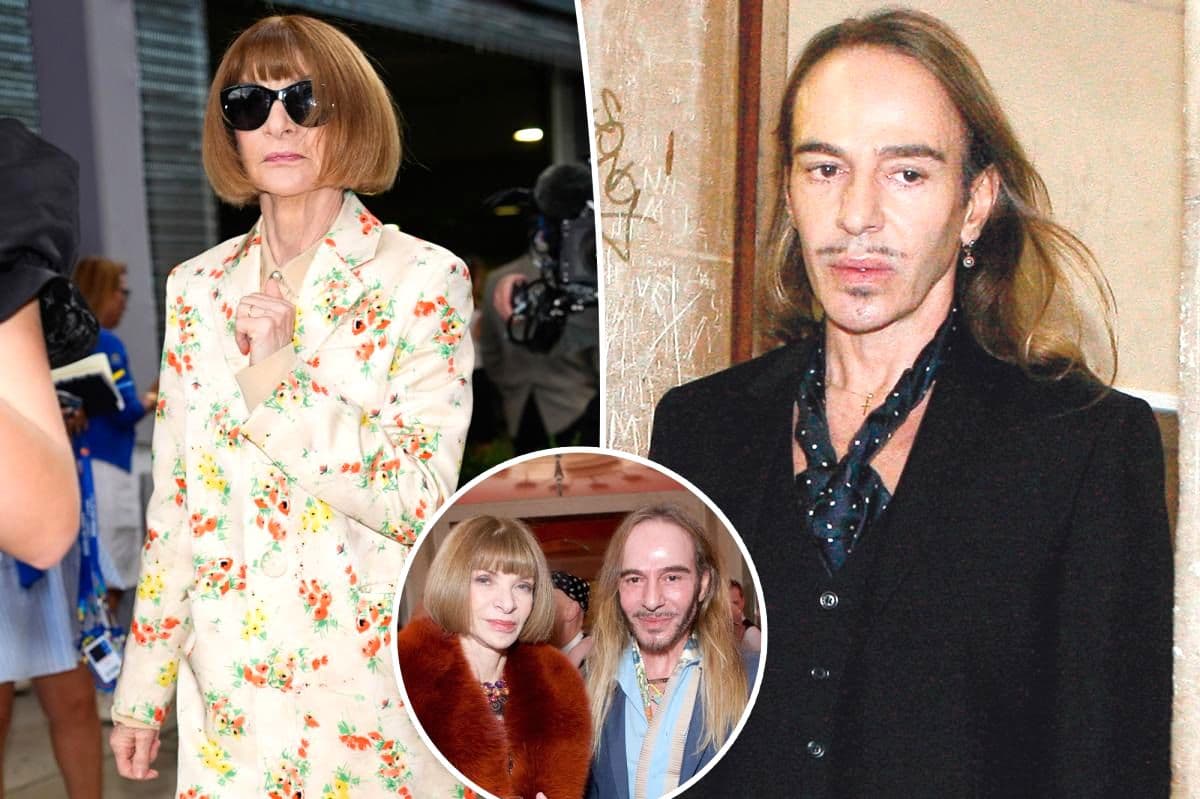
The Met’s Unraveling: How Anna Wintour’s Power Play on Galliano Backfired The Metropolitan Museum of Art’s decision to honor John Galliano with a career-spanning exhibition was supposed to be a trium
The Met’s Unraveling: How Anna Wintour’s Power Play on Galliano Backfired The Metropolitan Museum of Art’s decision to
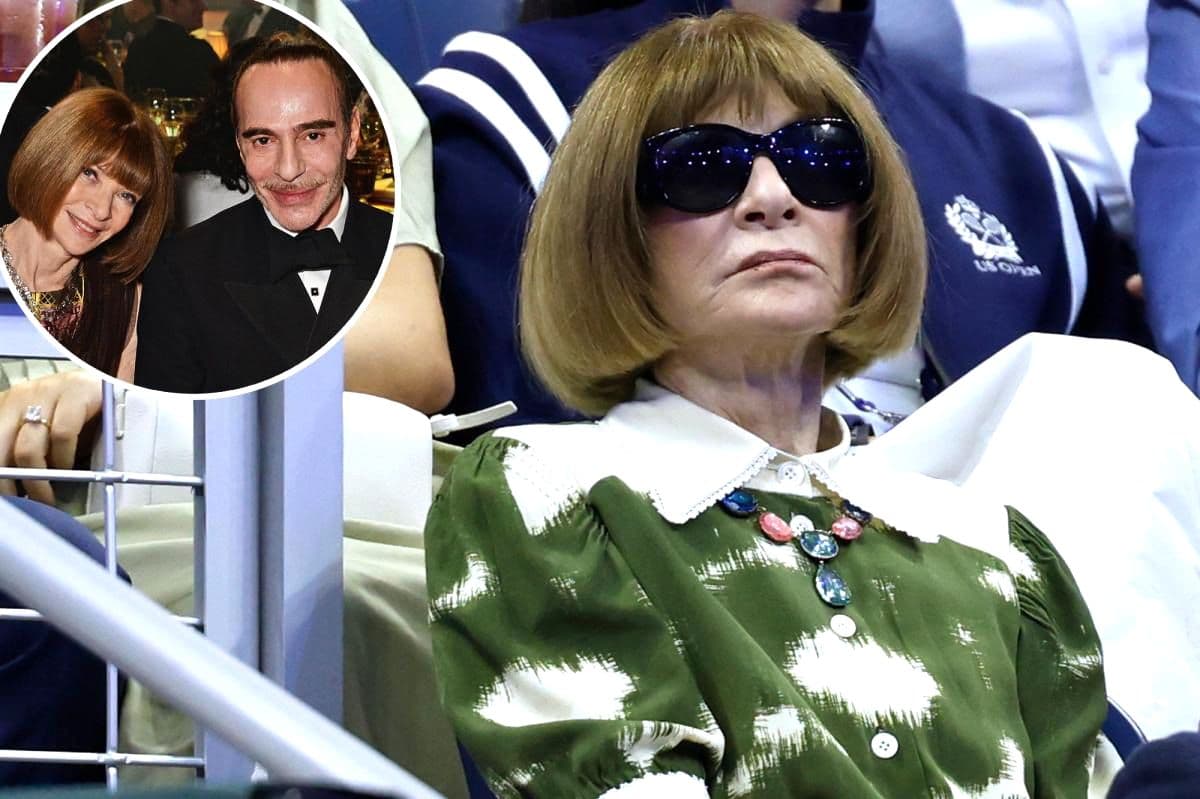
The Met Gala’s Unraveling: Anna Wintour’s Gamble on Galliano and the Cost of Artistic Redemption The moment Anna Wintour stepped into the Arthur Ashe Stadium on a sweltering Monday afternoon, her usu