The Met’s Unraveling: How Anna Wintour’s Power Play on Galliano Backfired The Metropolitan Museum of Art’s decision to
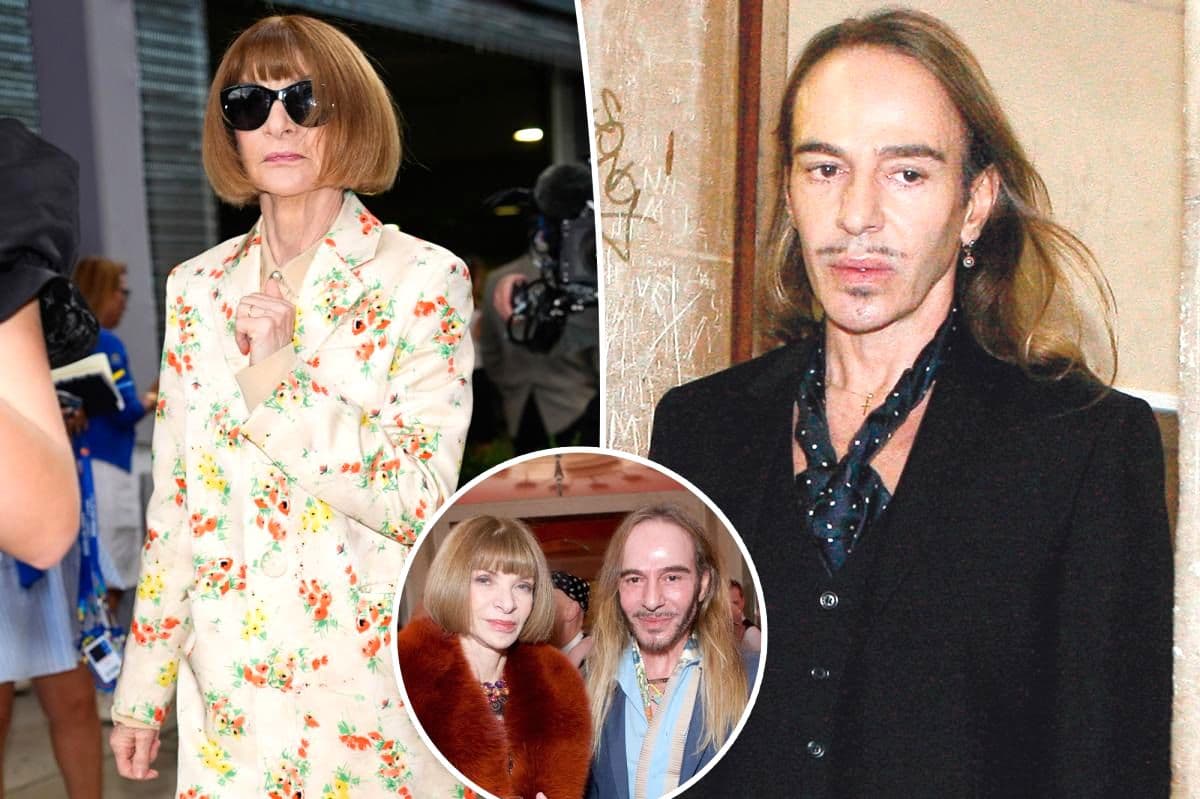
# **The Met’s Unraveling: How Anna Wintour’s Power Play on Galliano Backfired** The Metropolitan Museum of Art’s decision to honor John Galliano with a career-spanning exhibition was supposed to be a triumph—a grand celebration of fashion’s most provocative genius.
Instead, it became a public relations disaster that laid bare the limits of Anna Wintour’s influence, the fragility of institutional loyalty, and the cost of overlooking history.
By the time Galliano announced his withdrawal from the project last week, the scandal had already done what years of legal battles and apologies could not: force the fashion world to confront the uncomfortable truth that some legacies are too toxic to sanitize. The controversy didn’t emerge overnight.
It simmered for months, fueled by the Met Gala’s 2027 date—May 1, Holocaust Remembrance Day—and the knowledge that the exhibition would center a man whose 2011 antisemitic tirade (“I love Hitler”) had already cost him his career at Dior.
Yet Wintour, the Met’s most powerful trustee and ’s editorial director, doubled down, framing Galliano’s work as transcendent, his mistakes as footnotes in an otherwise extraordinary life. Behind closed doors, however, the unease was palpable.
Employees at Condé Nast, where Wintour’s authority is near-absolute, spoke in hushed tones, admitting they feared the consequences of dissent. “Everybody is whispering behind her back, but nobody is saying anything to her face,” one insider said.
“They’re all *yes-ma’aming* her like they’ve always done.” The dynamic was familiar: the same deferential silence that has long shielded Wintour from accountability now protected her from the fallout of a decision that many believed was reckless.
The unraveling began when Galliano, now 65, released a statement withdrawing from the exhibition just days before it was set to be announced. He cited “great sadness” and a desire to spare the Met from controversy, acknowledging that his career—“erudite, creative, dark”—could not overshadow the pain he had caused.
His apology, though measured, was a rare moment of self-awareness from a man who had spent years deflecting responsibility. Wintour, ever the loyalist, praised his “courage” in stepping aside, framing the withdrawal as a victory for both the designer and the institution.
But the damage was done.
The Met’s attempt to reconcile Galliano’s art with his history had failed, exposing a fundamental question: Can a museum—or a media empire—really separate the work from the man when the work itself is so deeply tied to his persona? --- ## **The Weight of a Legacy: Galliano’s Scandal and the Met’s Missteps** John Galliano’s career has always been a study in contradictions.
A visionary who redefined haute couture, he was also a man whose personal demons repeatedly threatened to eclipse his genius.
His 2011 arrest in Paris, where he was caught on video spewing antisemitic and racist slurs, was the climax of years of erratic behavior—including a 2004 incident where he was banned from a London club for allegedly shouting “I’m a fucking Nazi” and “I love Hitler.” The convictions that followed—public insults based on origin—were a legal reckoning, but they did little to quiet the debate over whether his art could be disentangled from his bigotry.
The Met’s decision to honor him with an exhibition was never going to be simple. Wintour, who has championed Galliano’s work for decades, argued that his career deserved recognition, that the darkness of his past was part of what made his vision so compelling.
“The exhibition won’t shy away from any of the darkness in John’s past,” she declared in a statement. “It’s part of what has shaped him.” But the timing—an exhibition during Holocaust Remembrance Week—felt like a provocation.
Jewish leaders in New York, some of whom had been consulted by Wintour and the Met’s Costume Institute director, Andrew Bolton, expressed discomfort. The museum’s initial outreach suggested a desire for approval, but the final decision ignored the very concerns it sought to assuage.
What made the situation more fraught was the Met Gala’s own history. The event, which Wintour has helmed for nearly three decades, has long been a platform for bold, sometimes controversial statements.
But the 2027 theme—*In America: A Lexicon of Fashion*—was supposed to be a celebration of cultural identity, not a reckoning with a designer whose identity was so deeply tied to controversy.
The conflict between art and accountability became impossible to ignore when Galliano’s withdrawal turned the exhibition into a symbol of everything the Met claimed it wasn’t: a space where history could be whitewashed in the name of legacy. --- ## **The Cost of Silence: Why Wintour’s Inner Circle Stayed Quiet** The most striking aspect of the Galliano controversy wasn’t the public backlash—it was the silence within Condé Nast’s walls.
Employees, many of whom have spent careers navigating Wintour’s exacting standards, described a culture where dissent is rare and consequences for speaking out are severe. “That’s how something like this gets this far in the first place,” one insider said.
“People are afraid of losing their jobs, so nobody wants to be the person who stands up and says, ‘This is a bad idea.’” Wintour’s leadership style has long been the subject of both admiration and resentment.
She is a woman who demands excellence, but also loyalty—an unspoken contract where criticism is met with professional risk. The fear of retaliation is not unfounded; careers at have been made and broken on her whims.
In this context, the Galliano exhibition became a test of institutional courage. Some staffers privately questioned whether honoring a man with Galliano’s history would reflect poorly on the Met’s reputation.
Others worried about the message it sent to survivors of antisemitism and racism. But the moment to push back had passed.
By the time the controversy exploded, the decision was Wintour’s alone, and the cost of challenging her was too high. The dynamic extended beyond Condé Nast.
At the Met, where Wintour’s influence is unmatched among trustees, curators and administrators moved carefully. Bolton, the Costume Institute’s director, had been instrumental in shaping the exhibition’s vision, but even he seemed caught between artistic integrity and public relations.
The museum’s initial outreach to Jewish leaders was a gesture toward sensitivity, but the final decision suggested that Wintour’s conviction outweighed the concerns raised. The result was a rare public fracture: an institution known for its discretion now grappling with the fallout of a high-profile misstep.
The withdrawal of the exhibition was not just a victory for critics—it was a defeat for the idea that art can be divorced from the artist’s moral failings. Galliano’s statement, though gracious, underscored the reality: some legacies are too heavy to carry, even for a man of his talent.
The Met’s next exhibition, whatever it may be, will have to contend with the question of how to honor creativity without enabling harm. --- ## **What Comes Next: The Met’s Reputation and the Future of Fashion’s Moral Line** The Galliano controversy has left the Met at a crossroads.
The museum’s reputation as a tastemaker is built on its ability to balance boldness with sensitivity, but the handling of this exhibition suggests that balance may have tipped too far in one direction. Wintour’s defense of Galliano was unwavering, but the withdrawal revealed that even her authority has limits.
The question now is whether the Met will learn from this moment—or double down on the same approach in the future. For Wintour, the scandal is a reminder that her influence, while formidable, is not absolute.
The fashion world has long deferred to her judgment, but the Galliano affair has exposed the risks of unchecked power. If she had pushed harder to silence critics or ignore the mounting discomfort, the backlash would have been worse.
Instead, the withdrawal was a pragmatic retreat, one that spared the Met from a PR nightmare but did little to address the dee. The fallout will also shape how the fashion industry grapples with its own history.
Galliano’s case is not unique; other designers with controversial pasts have faced similar debates. But the Met’s struggle to reconcile art with accountability sets a precedent.
Moving forward, museums and media outlets will have to ask themselves: At what point does celebration become complicity? The answer won’t be easy, but the Galliano controversy has made it undeniable that the question must be asked.
For now, the Met’s next exhibition remains a mystery. What is certain is that the institution—and its most powerful figure—will be watching closely to see if the lesson has been learned.
The cost of silence is clear. The cost of speaking up may be even higher.
Fisun Yıldırım
This article was prepared for publication by HotStar Daily and checked for publication requirements under our editorial standards. We review available information and correct material errors when they are identified.
Quick Answers
- What is the latest update on this story?
- The Met’s Unraveling: How Anna Wintour’s Power Play on Galliano Backfired The Metropolitan Museum of Art’s decision to honor John Galliano with a career-spanning exhibition was supposed to be a trium
- Who is this story about?
- This article covers developments related to The Met’s Unraveling: How Anna Wintour’s Power Play on Galliano Backfired The Metropolitan Museum of Art’s decision to. HotStar Daily's editorial team monitors the story and updates the article as new verified information becomes available.
- Where can I read more about John?
- HotStar Daily publishes original reporting on John and related entertainment news. Visit the homepage or browse the section dedicated to this story for the latest coverage.
Related topics
More From This Section
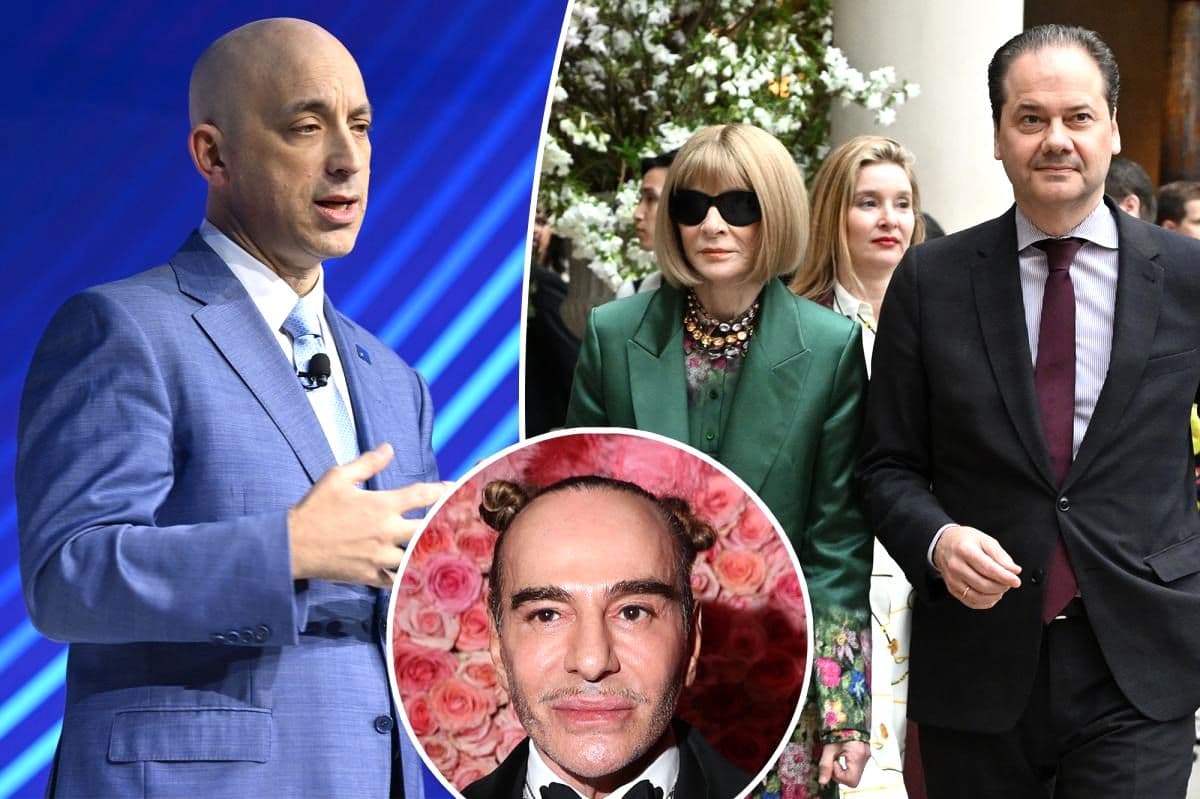
The Met’s Galliano Gala: How a Last-Minute Crisis Meeting Unraveled a Controversy That Had Been Brewing for Years The Metropolitan Museum of Art’s annual Costume Institute Gala has long been the pinn
The Met’s Galliano Gala: How a Last-Minute Crisis Meeting Unraveled a Controversy That Had Been Brewing for Years The
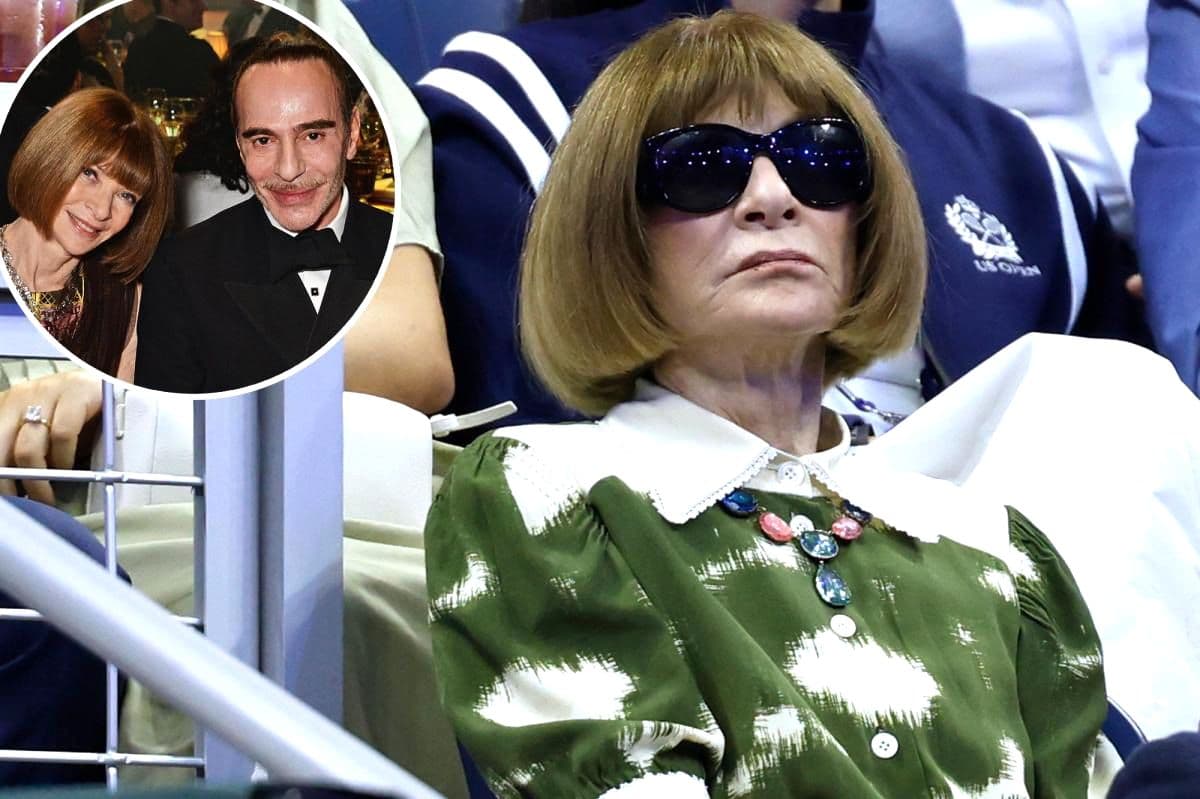
The Met Gala’s Unraveling: Anna Wintour’s Gamble on Galliano and the Cost of Artistic Redemption The moment Anna Wintour stepped into the Arthur Ashe Stadium on a sweltering Monday afternoon, her usu
The Met Gala’s Unraveling: Anna Wintour’s Gamble on Galliano and the Cost of Artistic Redemption The moment Anna
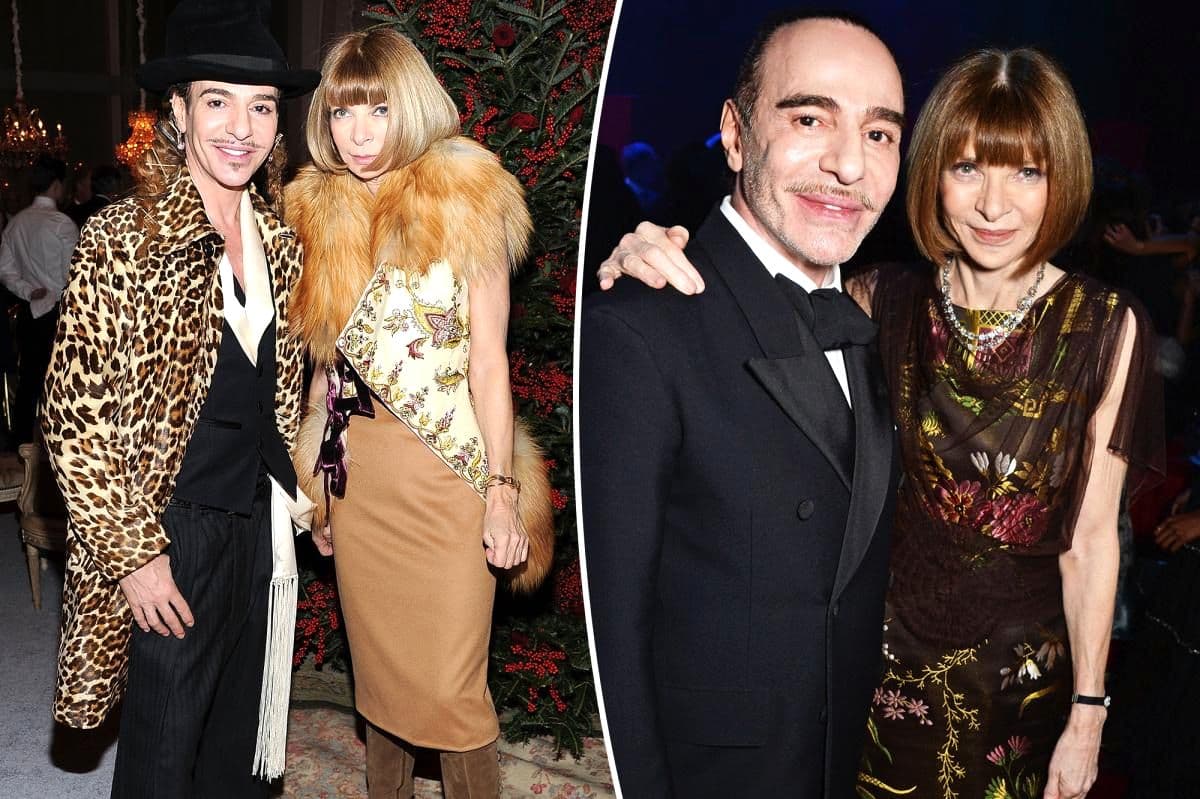
The Met Gala’s Unraveling: How John Galliano’s Controversy Forced a Reckoning The 2027 Met Gala was supposed to be a triumphant return for John Galliano. The French designer, once the golden boy of h