The Met Gala’s Unraveling: How John Galliano’s Controversy Forced a Reckoning The 2027 Met Gala was supposed to be a
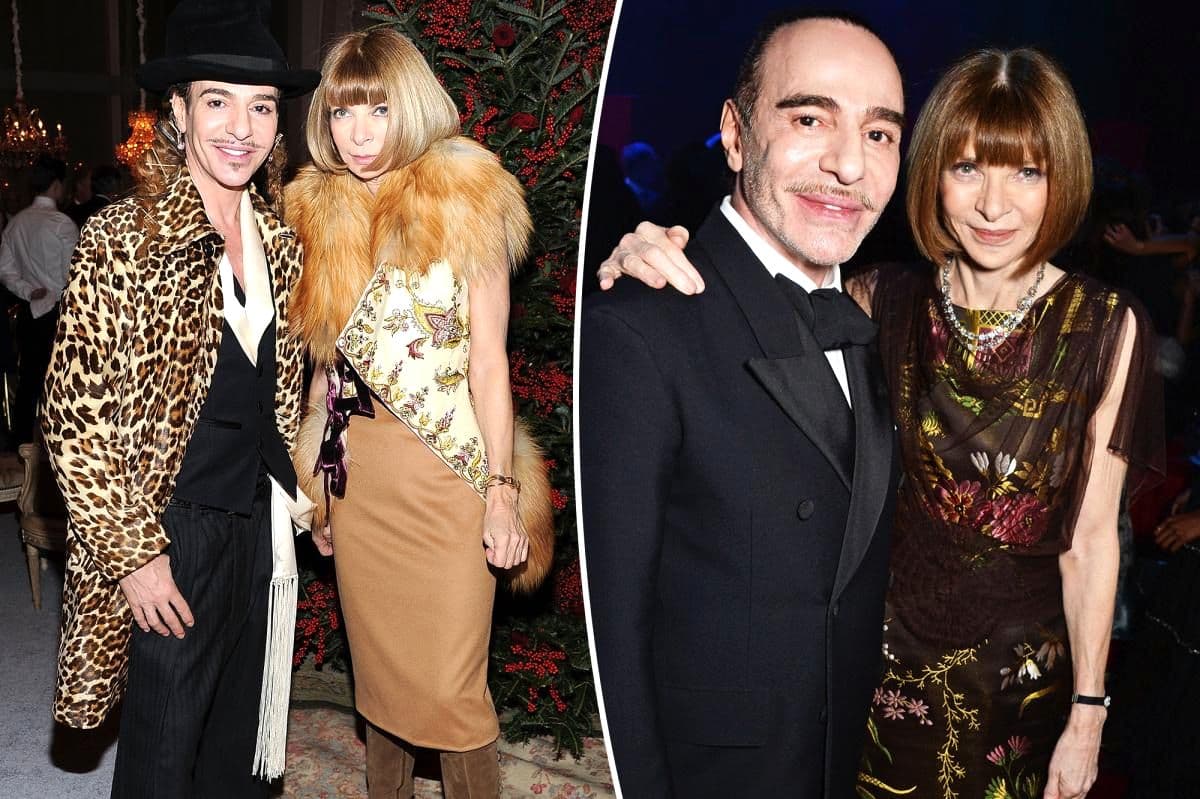
# **The Met Gala’s Unraveling: How John Galliano’s Controversy Forced a Reckoning** The 2027 Met Gala was supposed to be a triumphant return for John Galliano.
The French designer, once the golden boy of haute couture, had spent years rebuilding his reputation after a drunken antisemitic rant in 2011 derailed his career.
But when the Metropolitan Museum of Art announced him as the event’s honoree, the backlash was immediate—and this time, even Anna Wintour, the Met Gala’s iron-willed architect, couldn’t shield him from the fallout.
In a stunning reversal, Galliano pulled out of the exhibition entirely, and Wintour, who had once defended his redemption, now called his decision “very courageous.” The unraveling of this story reveals not just the fragility of second chances in fashion, but the shifting tides of accountability in an industry where forgiveness and exploitation have long walked hand in hand.
What began as a carefully staged rehabilitation now looks like a cautionary tale. Galliano’s 2011 remarks—captured on video, where he slurred antisemitic and racist slurs in a Paris bar—had already cost him his job at Dior.
A brief stint in rehab, a public apology, and a quiet return to fashion under Maison Margiela’s umbrella seemed to signal his return to grace. But the Met Gala, with its unparalleled cultural cachet, became the flashpoint.
The announcement of his honor last month reignited debates about whether institutions should platform figures who have publicly harmed marginalized communities, even if they’ve since expressed remorse.
The answer, it turns out, is no—not when the wounds are still raw, and not when the industry’s own complicity in overlooking past missteps is laid bare. The fallout wasn’t just about Galliano.
It exposed the Met Gala’s own contradictions: an event that prides itself on progressive themes while repeatedly honoring figures with troubled pasts.
Wintour’s initial defense of Galliano—her argument that his career wasn’t “defined by a single moment”—now feels like a relic of an older era, one where forgiveness was granted without consequence.
But this time, the reckoning came not from the public, but from within the institution itself. --- ## **A Second Chance That Never Should Have Been** John Galliano’s career has always been a study in reinvention.
Before his 2011 scandal, he was the darling of Parisian haute couture, a visionary whose theatrical designs made Dior synonymous with drama. But the video—leaked by a bystander—showed a different side: a man spewing antisemitic tropes, mocking Jewish accents, and making derogatory remarks about Asian people.
His immediate firing from Dior was swift, but the damage was done. For years, he vanished from the public eye, entering rehab and distancing himself from the spotlight.
When he resurfaced in 2014 under Maison Margiela, it was with the quiet approval of the fashion world. Margiela, known for its avant-garde, boundary-pushing aesthetic, seemed the perfect fit for a designer who had once been the face of Dior’s opulence.
Over time, Galliano’s work—bold, surreal, and unapologetically eccentric—won back critics. By 2023, he was even collaborating with major brands, his name no longer a liability but a badge of artistic credibility.
The fashion industry, ever hungry for spectacle, seemed ready to let the past stay buried. Then came the Met Gala announcement.
The Costume Institute’s decision to honor Galliano with a retrospective was framed as a long-overdue celebration of his genius. Wintour, who had long championed his work, doubled down in interviews, arguing that his apology had been sincere and that the exhibition would be a chance to “recontextualize” his legacy.
But the timing was disastrous. Antisemitism in Europe and America has surged in recent years, with high-profile incidents in media, politics, and even fashion.
Jewish organizations, long wary of Galliano’s history, saw the Met’s move as tone-deaf at best, complicit at worst. The backlash was swift.
Open letters from Jewish leaders, petitions from activists, and even internal dissent at Condé Nast—where staff reportedly whispered about Wintour’s misjudgment—forced the issue into the spotlight.
Galliano, faced with the prospect of a gala that would inevitably overshadow his work, made the only possible move: he pulled out.
His statement was measured, acknowledging his past words without excuse, and expressing regret that an exhibition would “distract from the remarkable work of the Costume Institute.” It was a rare moment of self-awareness in an industry where redemption is often performative. --- ## **The Industry’s Complicity and the Cost of Silence** The Met Gala has always been a mirror for fashion’s contradictions.
It’s an event that markets itself as a celebration of diversity and inclusivity, yet it has repeatedly honored figures with histories of exploitation, abuse, or outright bigotry.
From Dolce & Gabbana’s racist controversies to Alexander McQueen’s documented misogyny, the industry’s willingness to separate art from artist has long been a point of contention. But Galliano’s case was different.
His apology, while sincere, was not enough—not when the harm he caused was still fresh in the minds of those targeted by his remarks. Wintour’s initial defense of Galliano was telling.
She framed his honor as a chance to “recontextualize” his legacy, a phrase that has become shorthand for the industry’s tendency to whitewash the past. But recontextualization without reckoning is just another form of erasure.
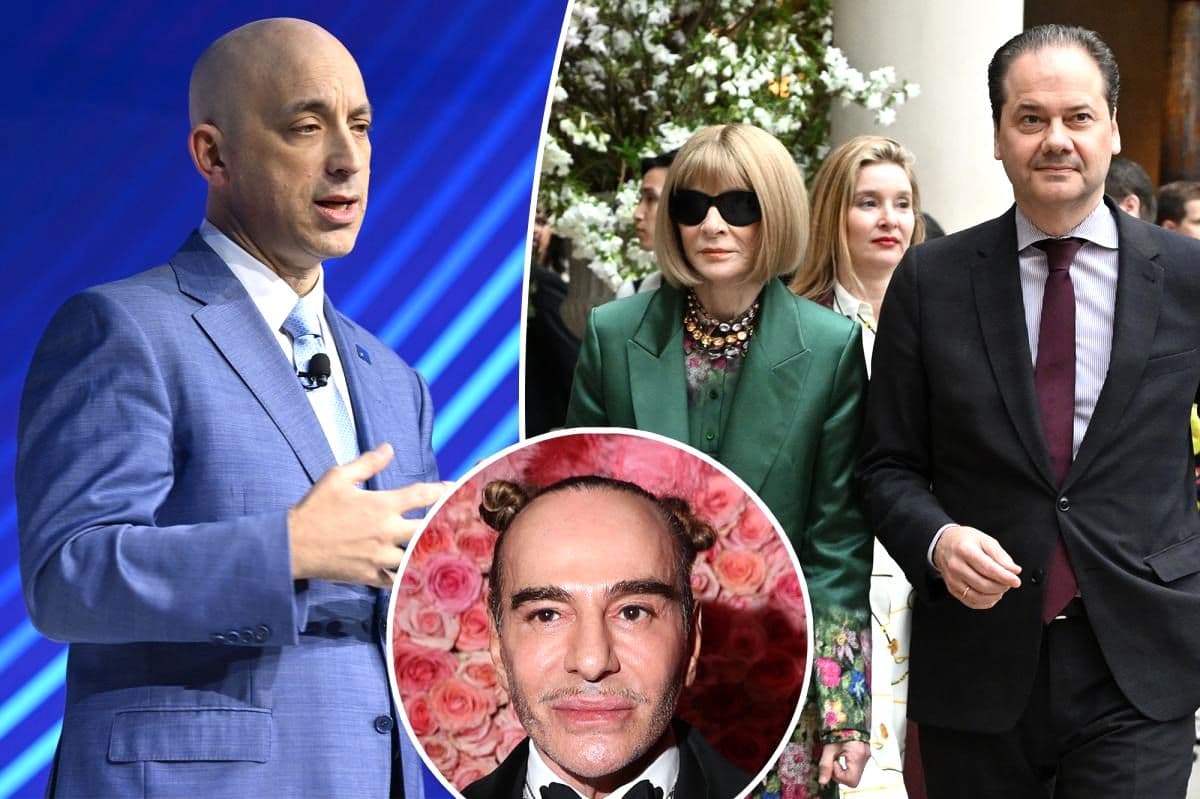
The Anti-Defamation League, which had once accepted Galliano’s apology, made it clear that timing mattered.
“Antisemitism is surging,” Jonathan Greenblatt said in a statement, “and Jewish New Yorkers are feeling unheard.” The Met’s decision to move forward with the exhibition, despite the controversy, felt like a middle finger to that sentiment.
Inside Condé Nast, where Wintour’s authority is near-absolute, the unease was palpable. Sources close to the company described a culture of fear—where staffers, afraid of retribution, stayed silent even as the Galliano announcement sparked outrage.
“That’s how something like this gets this far in the first place,” one insider said. “People are afraid of losing their jobs, so nobody wants to be the person who stands up and says, ‘This is a bad idea.’” The result was a perfect storm: an institution too powerful to challenge, and a designer too celebrated to deny.
Galliano’s withdrawal wasn’t just a personal failure—it was a systemic one. The fashion industry has long operated on the myth that talent excuses everything.
But the Met Gala, more than any other event, holds a responsibility to lead, not just follow. By honoring Galliano, the museum risked becoming an accomplice to the very prejudices he had once espoused.
That it took a public backlash to force a change speaks volumes about how little the industry has truly evolved. --- ## **What Comes Next: Accountability or Another Empty Gesture?** The Galliano controversy won’t be the last of its kind.
The fashion industry’s relationship with its problematic figures is a cycle: scandal, apology, redemption, and then another opportunity to profit from their talent. But this time, the backlash was too loud to ignore.
Galliano’s decision to withdraw was a rare moment of self-preservation, but it also raises questions about what happens now. The Met Gala will still take place in May 2027, but without Galliano’s exhibition, it loses one of its biggest draws.
Wintour’s support for his withdrawal suggests she, too, recognizes the misstep—but whether this signals a broader shift in how the industry handles accountability remains to be seen.
The Costume Institute could use the moment to rethink its honoree selection process, ensuring that past behavior is weighed as heavily as artistic achievement. Or it could double down on the status quo, arguing that forgiveness should always come first.
For Galliano, the road ahead is unclear. His career was already in flux before this controversy, with Maison Margiela’s future under uncertainty.
A full reckoning would mean more than just pulling an exhibition—it would require a public confrontation with the harm he caused, not just a quiet retreat. The Jewish and Asian communities he targeted deserve more than an apology; they deserve to see real change in how the industry treats its most toxic figures.
As for the Met Gala, the incident leaves a stain on its reputation. If the event is truly about progress, it must ask itself whether honoring a designer with Galliano’s history was ever the right move.
The answer, in hindsight, is obvious. But the question that lingers is whether the industry will learn—or if this will just be another controversy that fades into the next season’s collections.
Fisun Yıldırım
This article was prepared for publication by HotStar Daily and checked for publication requirements under our editorial standards. We review available information and correct material errors when they are identified.
Quick Answers
- What is the latest update on this story?
- The Met Gala’s Unraveling: How John Galliano’s Controversy Forced a Reckoning The 2027 Met Gala was supposed to be a triumphant return for John Galliano. The French designer, once the golden boy of h
- Who is this story about?
- This article covers developments related to The Met Gala’s Unraveling: How John Galliano’s Controversy Forced a Reckoning The 2027 Met Gala was supposed to be a. HotStar Daily's editorial team monitors the story and updates the article as new verified information becomes available.
- Where can I read more about John?
- HotStar Daily publishes original reporting on John and related entertainment news. Visit the homepage or browse the section dedicated to this story for the latest coverage.
Related topics
More From This Section
The Met’s Galliano Gala: How a Last-Minute Crisis Meeting Unraveled a Controversy That Had Been Brewing for Years The Metropolitan Museum of Art’s annual Costume Institute Gala has long been the pinn
The Met’s Galliano Gala: How a Last-Minute Crisis Meeting Unraveled a Controversy That Had Been Brewing for Years The
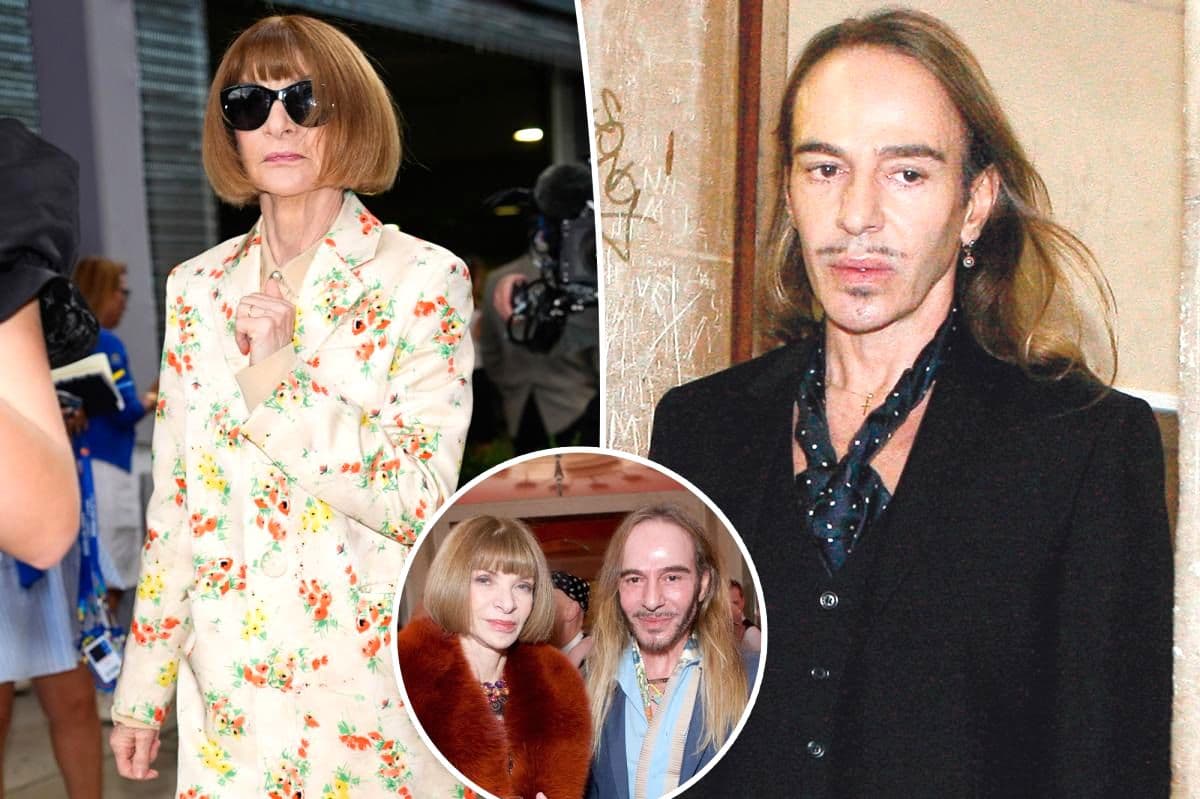
The Met’s Unraveling: How Anna Wintour’s Power Play on Galliano Backfired The Metropolitan Museum of Art’s decision to honor John Galliano with a career-spanning exhibition was supposed to be a trium
The Met’s Unraveling: How Anna Wintour’s Power Play on Galliano Backfired The Metropolitan Museum of Art’s decision to
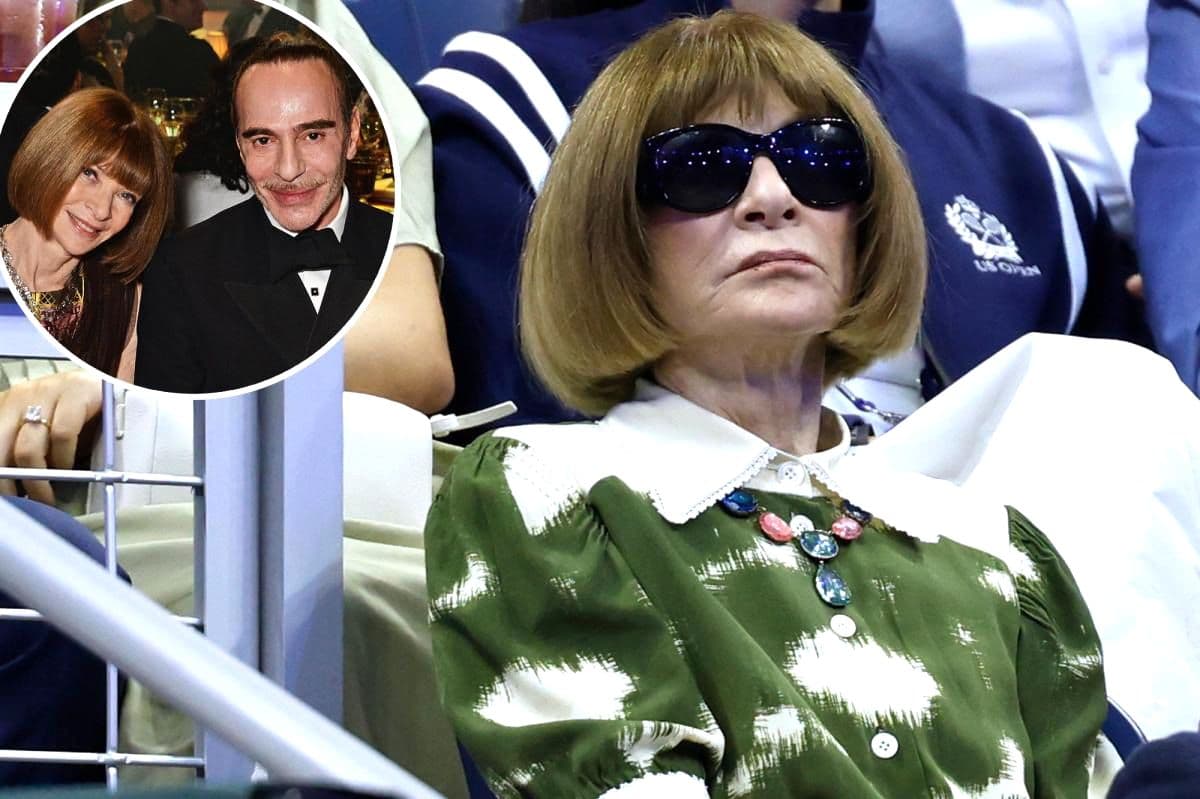
The Met Gala’s Unraveling: Anna Wintour’s Gamble on Galliano and the Cost of Artistic Redemption The moment Anna Wintour stepped into the Arthur Ashe Stadium on a sweltering Monday afternoon, her usu