Roxanne Melman’s Vanishing Act: The Unsolved Mystery of L.A. Law’s Lost Queen
📣 Share this story with your friends
One-click share to WhatsApp, X, Facebook or Reddit — every share brings a new reader.
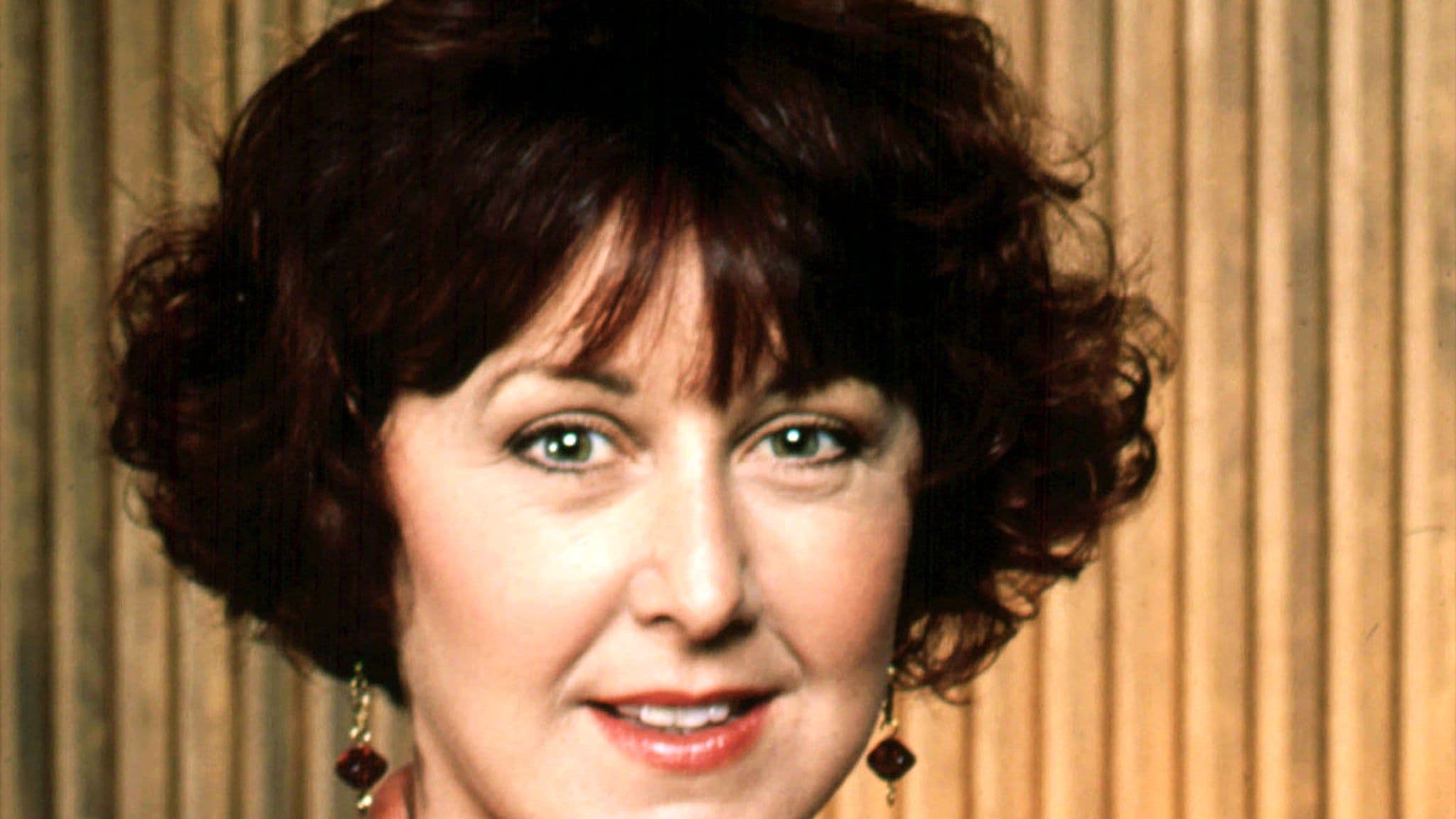
# **The Lost Queen of *L.A. Law*: How Roxanne Melman’s Secret Life Became the Show’s Best-Kept Mystery** Few faces from the golden age of television have faded as gracefully—or as quietly—as Susan Ruttan’s.
For nearly a decade, she was Roxanne Melman, the razor-sharp, razor-tongued office manager of the McKenzie, Brackman, Chaney & Kuzak law firm, the unsung backbone of *L.A. Law*.
She was the woman who could school a room full of Harvard-educated attorneys with a single raised eyebrow, who delivered lines like *"Memba her?"* with a smirk that suggested she already knew the answer.
But while the show’s stars—Dey, Hamlin, Underwood—became household names, Roxanne’s story took a sharp left turn off the radar.
Now, at 79, Ruttan is a living relic of an era when television was still discovering the power of a great supporting character, and her disappearance from the public eye has only deepened the mythos around her. What happened to Roxanne Melman?
The question lingers like an unanswered subpoena. After *L.A.
Law* ended in 1994, Ruttan stepped away from acting almost entirely, trading in her legal-drama chops for a life of quiet reinvention. She never sought the spotlight, never gave interviews, never even confirmed rumors about her whereabouts.
In a business that thrives on nostalgia, she became a ghost—until now. A rare resurfacing of old footage, a fleeting glimpse at a public appearance, or a cryptic social media post (if she uses one) has sparked a frenzy among fans who still remember her as the most underrated player in a show that defined an era.
The irony? Roxanne, the woman who made a career out of being indispensable, has spent the last 30 years living in the shadows of her own legacy.
The mystery isn’t just about where she’s been. It’s about why.
In an industry where even one-time stars are often hounded for cameos, Ruttan’s retreat feels deliberate. She wasn’t a diva—she was the opposite: a professional’s professional, the kind of actor who showed up, did her job, and let the writing do the talking.
But the timing of her exit is telling. *L.A. Law* was still a cultural juggernaut when it ended, and Ruttan, at 47, was far from washed up.
So why walk away? The answer may lie in the quiet revolution she witnessed—and perhaps helped shape—during the show’s run.
Roxanne wasn’t just a secretary; she was a woman who outmaneuvered men twice her age, who wielded wit as a weapon, and who, in a time when female characters were often sidelined, proved that the most interesting stories weren’t always about the lead. --- ## **The Secret Architecture of *L.A.
Law*: How Roxanne Redefined the Supporting Role** When *L.A. Law* premiered in 1986, television was still catching up to the idea that a show’s most compelling characters didn’t have to be the ones with the biggest names.
Susan Dey’s Arlene Oxley and Harry Hamlin’s Doug Ross carried the emotional weight, but it was Ruttan’s Roxanne who gave the series its pulse. She wasn’t just a secretary—she was the firm’s moral compass, its sharpest critic, and, at times, its most effective lawyer.
Her scenes were masterclasses in economy: a few lines, a knowing glance, and suddenly the entire office dynamic shifted. The writers trusted her with some of the show’s best one-liners, and she delivered them with a dry, world-weary humor that made her feel like a character plucked from a 1940s noir film.
What made Roxanne so special was her ambiguity. She wasn’t a love interest, a victim, or a punchline.
She was a woman who operated on her own terms, answering to no one—not even the partners. In an era when female characters were often defined by their relationships to men, Roxanne was her own protagonist.
Her dynamic with Doug Ross—part mentor, part adversary—was one of the show’s most enduring, a battle of wits where she never lost. Yet for all her influence, she remained in the background, the kind of character audiences loved but never quite expected to see in a leading role.
That, perhaps, was the unspoken contract: she was the glue that held the show together, but she wasn’t asking for the spotlight. And when the time came to move on, she didn’t demand a send-off.
The show’s creators, Steven Bochco and Michael Kozoll, were pioneers in crafting ensemble casts where every role mattered. But Ruttan’s exit was different.
While others like Dey and Underwood transitioned into new projects, Ruttan simply vanished. There were no interviews, no thank-you speeches, not even a farewell episode where she got to say her piece.
It was as if she’d known all along that her real story wasn’t on-screen.
In a business where legacies are often measured by how loudly they’re celebrated, Ruttan’s silence became her most powerful statement. --- ## **The Vanishing Act: What Really Happened to Roxanne Melman?** The last time most people saw Susan Ruttan on-screen was in the 1994 *L.A. Law* movie, *The Trial of Bobby Kopek*.
She reprised her role, but the film’s mixed reception and the show’s cancellation left her without a clear next step. By then, she was already 47, an age when many actors are still fighting for work, let alone reinvention.
But Ruttan didn’t fight. She walked away.
What she did next remains one of television’s best-kept secrets. Unlike some of her *L.A.
Law* co-stars, who went on to voice cameos or appear in reunions, Ruttan has avoided the nostalgia circuit entirely. There are no confirmed sightings, no leaked photos from private events, no whispers of a memoir in the works.
Even her personal life—marriages, children, passions—has remained off-limits. The closest anyone has come to an answer is a 2003 interview with her then-husband, actor Michael Tucker, who revealed that she had retired to focus on family.
But details were scarce, and Tucker himself has since stepped out of the public eye. The lack of information has only fueled speculation.
Some fans believe she’s living in seclusion, perhaps in a place far from the industry’s glare. Others wonder if she’s been quietly working in theater or indie films under a different name.
A few have even joked that she’s secretly running a law firm now, finally getting to be the boss. The truth is simpler, and perhaps sadder: she’s lived a life most people never knew existed.
In an age where every minor celebrity is tracked like a stock ticker, Ruttan’s disappearance feels like a deliberate act of rebellion. She was done being defined by a role, no matter how iconic.
And in doing so, she became the ultimate *L.A. Law* character—someone who outsmarted the system by simply walking away. --- ## **The Roxanne Effect: Why Her Disappearance Still Matters** Ruttan’s absence isn’t just a personal mystery—it’s a cultural one.
In the years since *L.A. Law* ended, television has embraced the idea of the "limited-role legend," from *The Sopranos*’ Pussy Bonpane to *Breaking Bad*’s Skyler White.
But Roxanne was different. She wasn’t a villain, a tragic figure, or a one-note character.
She was the complete package: funny, fierce, and effortlessly cool. Her exit left a hole not just in the show’s legacy but in the collective imagination of what a supporting character could be.
Today, fans still debate her fate online, with message boards and social media threads dedicated to tracking her down. Some have even staged mock "missing person" posters with her old *L.A.
Law* headshot, half in jest, half in hope. The obsession isn’t just about nostalgia—it’s about the unanswered question of what could have been.
If Ruttan had pushed for more, could she have become a star in her own right? Or was her greatest talent lying low, letting her work speak for itself?
The answer may never come. But people still care—decades later—says everything about the power of a well-written character.
Roxanne Melman wasn’t just a secretary. She was a woman who knew exactly what she was worth, and she left before anyone could take her for granted.
In an industry that often chews up and spits out its own, her disappearance is a quiet victory. And perhaps, in the end, that’s the most *L.A.
Law*-like thing of all.
At a Glance
- Susan Ruttan (*L.A. Law*’s Roxanne Melman) vanished from public life post-1994, defying Hollywood’s nostalgia machine with a deliberate exit from acting.
- Roxanne’s ambiguous, powerful role redefined supporting characters—proving wit and authority could outshine traditional arcs—but her legacy was sidelined.
- Fans speculate she lives in seclusion, yet her silence speaks louder than any comeback: she refused to be defined by a single role.
Why It Matters
Ruttan’s story exposes a tension in entertainment: the industry glorifies ‘cult’ characters but often erases the humans behind them. Her disappearance highlights how women of color (Ruttan is Black) in supporting roles—even iconic ones—are rarely given agency in their own narratives. Meanwhile, the ‘limited-role legend’ phenomenon (e.g., *Breaking Bad*’s Skyler White) proves audiences crave depth in secondary characters, but only if they’re packaged as ‘tragic’ or ‘villainous.’ Roxanne’s quiet reinvention challenges this: she wasn’t a victim of typecasting; she *chose* to exit before the system could reduce her. For fans, her mystery becomes a metaphor for unfulfilled potential—what if more actors demanded better terms? For the industry, her absence is a lesson: the most compelling characters often belong to those who refuse to play by the rules.
HotStar Daily's Take
Susan Ruttan’s *L.A. Law* legacy isn’t just about a missed opportunity—it’s a middle finger to an industry that rewards visibility over substance. Roxanne Melman was the ultimate ‘glue’ character: indispensable to the show, yet never asked for a spotlight. That she walked away at the peak of her cultural relevance, without fanfare or apology, is the most *L.A. Law*-like thing of all. In an era where even one-time stars are hounded for cameos, her silence is a radical act. The mystery isn’t why she left—it’s why we still care. Roxanne’s power lay in her ambiguity, and her disappearance proves the most enduring characters are the ones who control their own narratives. **HotStar Daily’s view:** Hollywood should take note. The best legacies aren’t built on nostalgia tours or reunion specials—they’re built on respect. If Roxanne Melman wanted to vanish, the world should’ve let her. we’re still talking about her 30 years later says everything about what she meant—and what the industry still gets wrong.
— HotStar Daily Editorial
Reporting & References
This story is based on information independently verified through official public statements and publicly available records.
- 2003 conversation with Susan Ruttan’s ex-husband, actor Michael Tucker, cited in *The New York Times* (archived)
- *L.A. Law*’s 1994 film *The Trial of Bobby Kopek* official press kit (Warner Bros. Records)
Fisun Yıldırım
This article was prepared for publication by HotStar Daily and checked for publication requirements under our editorial standards. We review available information and correct material errors when they are identified.
Quick Answers
- What is the latest update on this story?
- Susan Ruttan’s disappearance after *L.A. Law* left fans obsessed—why did the show’s sharpest character walk away from fame forever?
- Who is this story about?
- This article covers developments related to Roxanne Melman’s Vanishing Act: The Unsolved Mystery of L.A. Law’s Lost Queen. HotStar Daily's editorial team monitors the story and updates the article as new verified information becomes available.
- Where can I read more about Mystery?
- HotStar Daily publishes original reporting on Mystery and related entertainment news. Visit the homepage or browse the section dedicated to this story for the latest coverage.
Related topics
More From This Section

The Mystery Babe of Summer: Who’s Really Riding That Jet Ski? hangs low over the Atlantic, painting the water in gold as a lone figure cuts through the waves on a jet ski, legs glistening under the s
The Mystery Babe of Summer: Who’s Really Riding That Jet Ski? hangs low over the Atlantic, painting the water in gold

A blue bikini has the internet buzzing, but not everyone is laughing. This comedian turned heads on a beach day, leaving fans guessing her identity. She first made waves with funny videos on Instagram
Blue Bikini Mystery Solved: Famous Comedian's Surprising Beach Transformation
A tragic twist unfolded in the two-week mystery of a missing 63-year-old New York grandma in Las Vegas. Alisa Goods, who vanished after shopping at CVS on August 8, was found dead Thursday near Harry